使用上传的照片作为唯一参考,创作一张高品质的 3:4 竖版编辑海报。
分享链接 · https://openimages.ajiang.me/p/2107353999796326889/
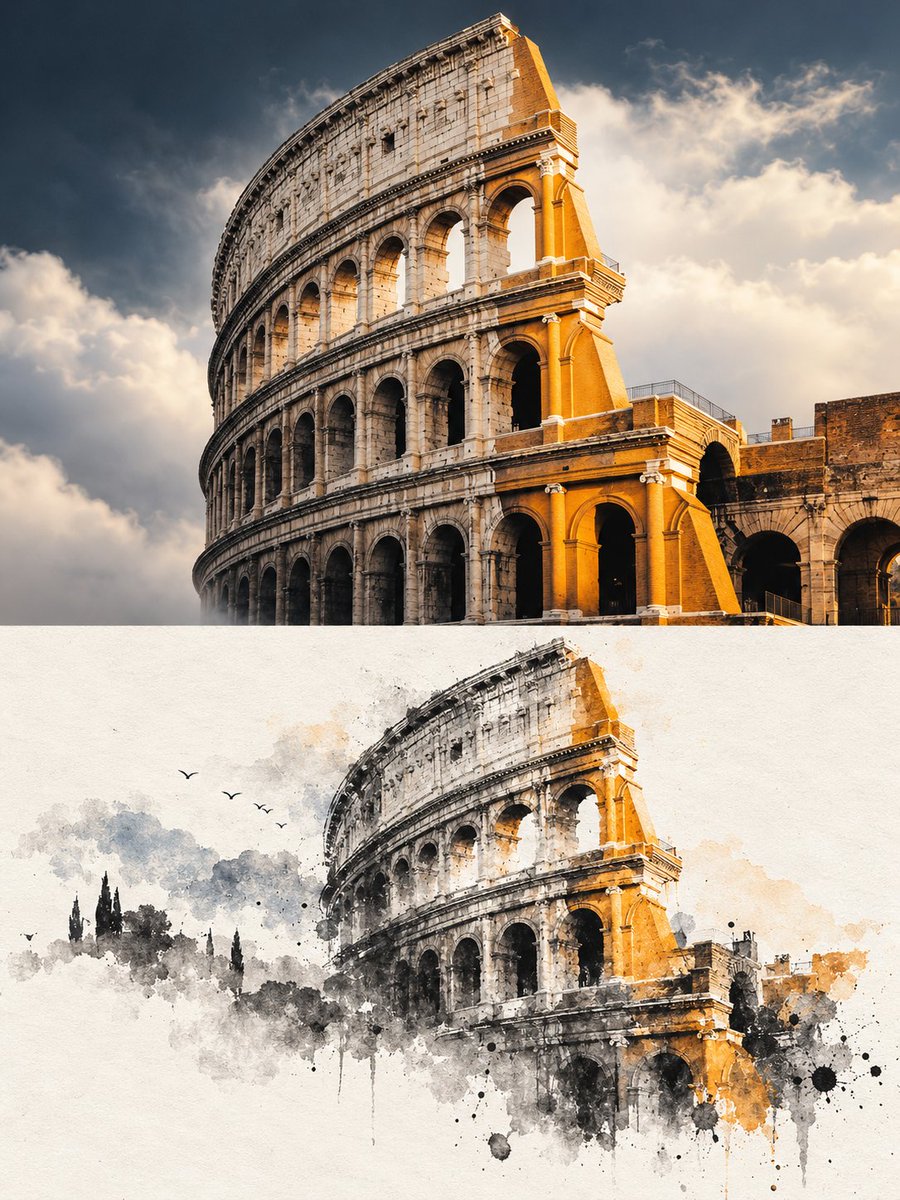
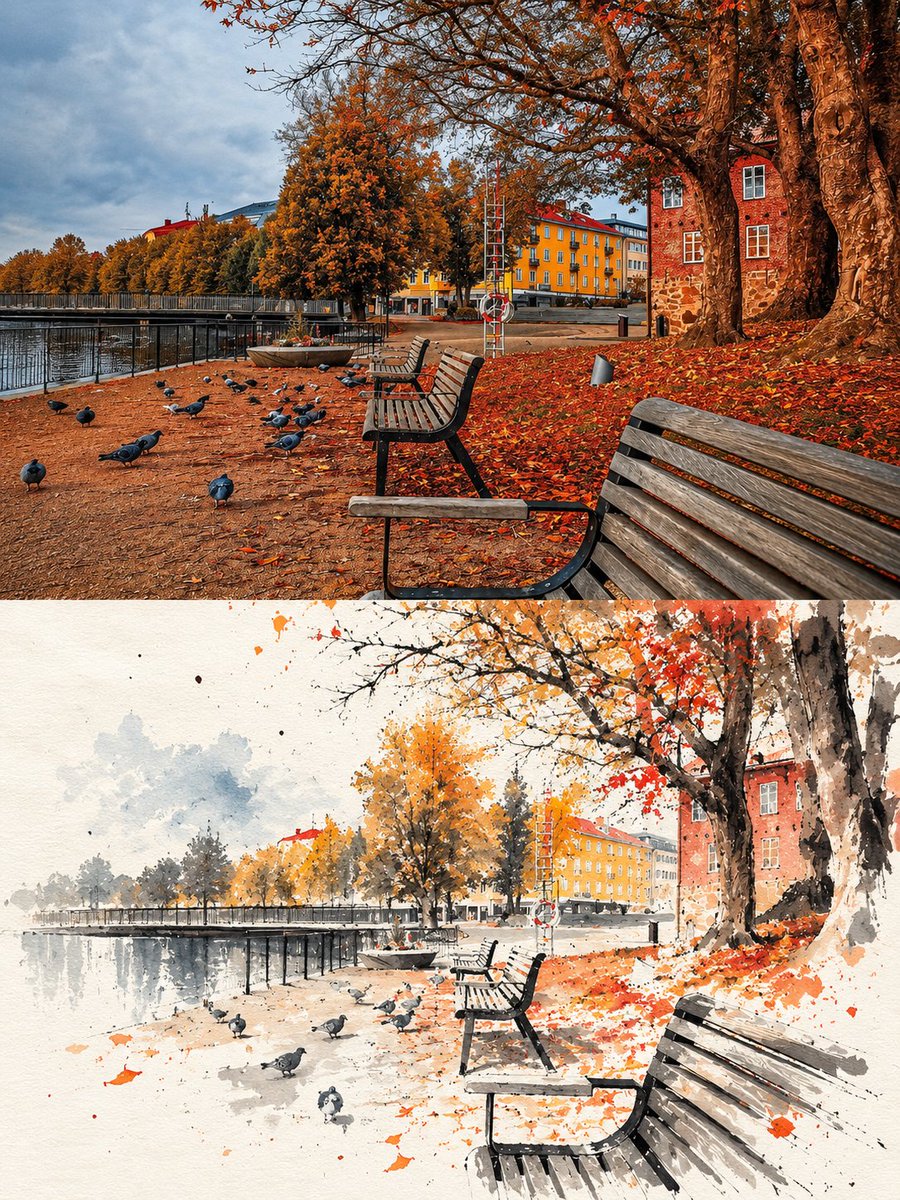
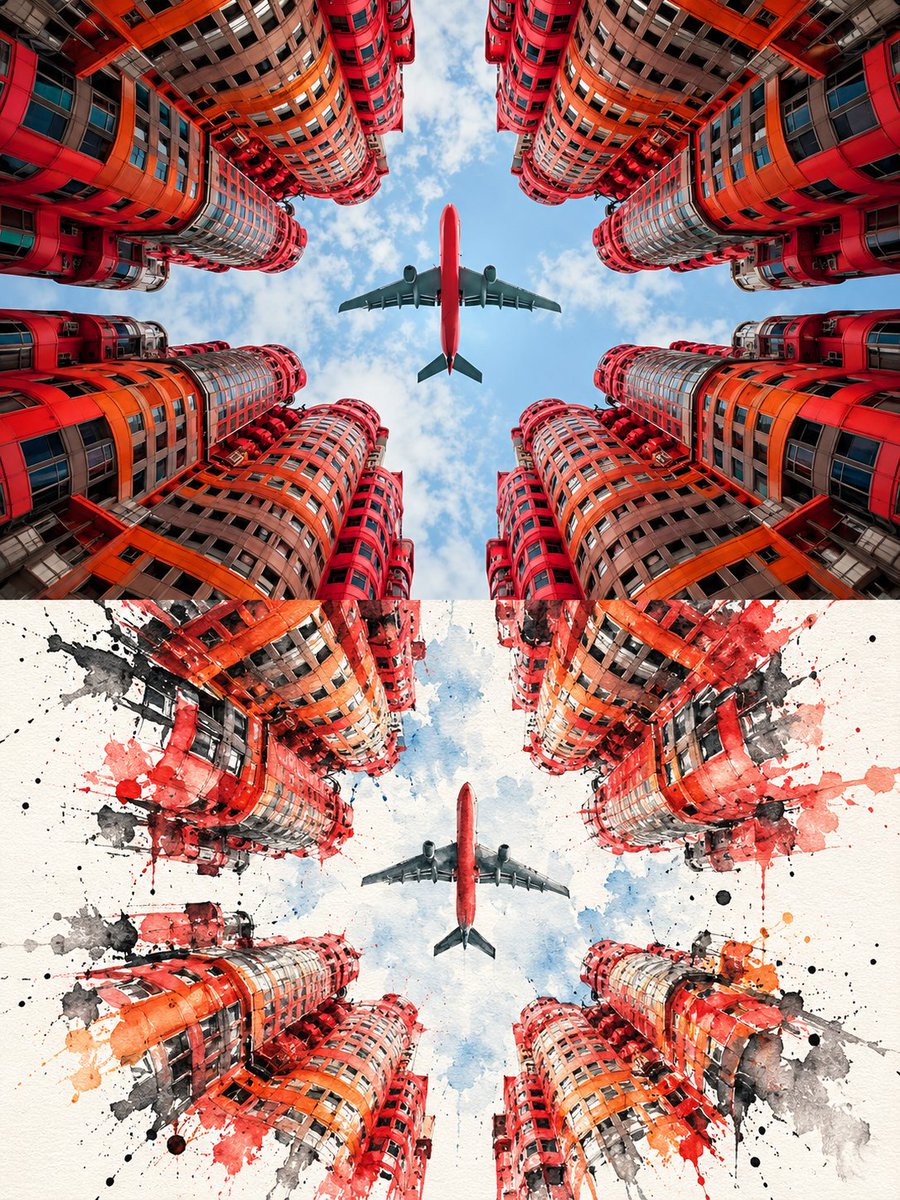
color_palette · mutedcomposition · multi-panelmood · elegantquality_flags · multi-panel-layoutsubject_type · architecture-interiorusage · editorial
提示词(原文,逐字保留)
Create a premium 3:4 vertical editorial poster using the uploaded photo as the sole reference.
OVERALL FORMAT
The image must use a strict 3:4 vertical composition divided horizontally into two equal regions with an exact 1:1 height ratio. Each region occupies exactly 50% of the total image height.
UPPER REGION: ORIGINAL PHOTO
Use the original uploaded photo directly as the upper 50% of the composition.
Preserve the subject's exact identity, facial features, body structure, proportions, posture, perspective, clothing, materials, lighting, and original color atmosphere.
Do not regenerate, reshape, distort, stretch, beautify, or alter the subject.
Only apply subtle high-end color grading, image purification, refined tonal balance, and gentle detail enhancement, giving the image the refined texture of an art magazine or exhibition photograph.
The background may be moderately expanded to fit the 3:4 composition, but the subject must remain completely unchanged in structure, posture, proportions, and core composition.
LOWER REGION: MINIMALIST INK WASH RECONSTRUCTION
Reconstruct the same subject and scene as a minimalist contemporary ink wash artwork.
First identify and preserve the most recognizable elements of the original image, including silhouette, outline, structure, perspective, movement, visual rhythm, spatial relationship, and overall atmosphere.
Do not directly copy photographic details. Do not create a realistic reproduction. Instead, translate the original scene into an artistic ink wash interpretation that preserves its recognizable essence and visual relationship with the upper photograph.
Use a milky white, warm white, or natural paper-white base with delicate paper fibers and subtle organic texture.
Build the artwork using expressive ink wash techniques including dry and wet brushwork, flying white, ink seepage, ink accumulation, soft diffusion, broken edges, layered washes, and intentional white space.
Remove secondary details. Keep only the most distinctive contours, structural transitions, spatial layers, movement, and atmosphere.
The lower artwork should feel summarized, refined, poetic, and intentionally incomplete rather than realistically detailed.
INK AND COLOR
Use black, charcoal gray, soft gray, and diluted ink tones as the dominant palette.
Create clear tonal layering with varied ink density, pressure, rhythm, and transparency.
Extract only a few emotionally important colors from the original image and reinterpret them as small areas of artistic staining or pigment.
Colors may transform naturally into blue-gray, distant blue, soft gold, warm yellow, vermilion red, light cyan, or similar restrained tones.
Do not mechanically reproduce the original color values.
Ink and negative space must remain dominant.
Avoid muddy brown, dull vintage tones, heavy coloring, excessive decoration, or vulgar color combinations.
COMPOSITION AND NEGATIVE SPACE
The main reconstructed subject should occupy approximately 30% to 45% of the lower half.
Reserve the remaining area for generous negative space.
The artwork may be asymmetrically positioned, partially framed, suspended, slightly cropped, or offset.
Maintain strong asymmetrical balance and a sophisticated editorial composition.
The edges of the ink artwork should gradually loosen, fragment, fade, scatter, and disappear into the paper, creating a natural sense of breathing space.
Negative space must function as an intentional visual element, not as empty unused space.
Reduce information rather than filling the entire lower region.
The final lower section should resemble a refined ink seal, contemporary Eastern material study, or museum-quality oriental artwork displayed on a clean editorial page.
TEXT
Use very little text.
Do not add preset titles, numbers, labels, or template typography.
If appropriate, extract only a few meaningful words or a very short phrase related to the subject, location, time, action, emotion, or metaphor.
Place the text quietly within the negative space or near the edge of the artwork.
Typography must remain subtle, sparse, elegant, and secondary to the visual composition.
OVERALL AESTHETIC
Contemporary Eastern aesthetics.
Minimalist ink wash reconstruction.
Premium art magazine presentation.
Exhibition photography quality.
Large-scale intentional negative space.
Subtle editorial typography.
Small-scale seal-like visual focus.
Quiet, restrained, poetic atmosphere.
Elegant asymmetrical composition.
Refined paper texture.
Museum-quality visual finish.
Avoid complex backgrounds, excessive photographic details, realistic duplication, decorative clutter, excessive text, rigid template layouts, filled compositions, heavy colors, old-fashioned brown tones, and unnecessary visual elements.
中文译文
使用上传的照片作为唯一参考,创作一张高品质的 3:4 竖版编辑海报。
整体格式
图像必须采用严格的 3:4 竖版构图,水平分为两个高度完全相同的区域,比例严格为 1:1。每个区域正好占总图像高度的 50%。
上方区域:原始照片
直接将上传的原始照片用作构图的上半部分,占整体的 50%。
保留主体的真实身份、面部特征、身体结构、比例、姿态、透视、服装、材质、光照与原始色彩氛围。
不要重新生成、重塑、扭曲、拉伸、美化或修改主体。
仅施加微妙的高端调色、画面净化、精细的色调平衡与柔和的细节增强,使图像具有艺术杂志或展览照片般的精致质感。
背景可以适度延展以适配 3:4 构图,但主体的结构、姿态、比例与核心构图必须保持完全不变。
下方区域:极简水墨重构
将同一位主体和场景重构为一幅极简的当代水墨艺术作品。
首先识别并保留原图最具辨识度的元素,包括轮廓、外形、结构、透视、动态、视觉韵律、空间关系与整体氛围。
不要直接复制摄影细节,也不要进行写实复刻,而是将原始场景转化为具有艺术性的水墨诠释,保留其可辨识的本质以及与上方照片之间的视觉关联。
使用乳白色、暗牛奶白或自然纸张白的底色,呈现细腻的纸张纤维与微妙的有机质感。
运用富有表现力的水墨技法构建作品,包括干笔与湿笔、飞白、墨色渗透、墨色积聚、柔和扩散、断笔边缘、分层渲染与有意留白。
去除次要细节,仅保留最具特色的轮廓线、结构过渡、空间层次、动态与氛围。
下方的艺术作品应呈现出概括、凝练、诗意且有意留白未完成的感觉,而非写实细节。
墨色与色彩
以黑色、炭灰、柔灰与稀释后的墨色为主色调。
通过变化的墨色浓度、笔压、节奏与透明度,建立明确的色调分层。
仅从原图中提取少数具有情感重要性的色彩,并将其重新诠释为小面积的艺术晕染或颜料。
色彩可自然转化为蓝灰、远蓝、柔金、暖黄、朱红、浅青等相近的克制色调。
不要机械地复刻原始色彩数值。
墨色与留白必须保持主导地位。
避免浑浊的棕色、暗沉的复古色调、过重着色、过度装饰或俗艳的配色组合。
构图与留白
主要重构的主体应占下方区域的大约 30% 至 45%。
其余区域保留为充裕的留白。
艺术作品可以非对称地进行布局、部分取景、悬空、轻微裁切或偏移。
保持强烈的非对称平衡与精致的编辑构图。
水墨作品的边缘应逐渐松弛、破碎、淡化、消散,自然地隐入画面之中,营造自然的呼吸感。
留白必须作为有意为之的视觉元素,而非未被使用的空白。
减少信息量,而不是填满整个下方区域。
最终的下方区域应如一枚精致的印章、当代东方材料研究或博物馆级别的东方艺术作品,陈列于洁净的编辑版面之上。
文字
文字使用极少。
确保不添加预设的标题、数字、标签或模板式排版。
如合适,仅提取少量有意义的词语或与主体、地点、时间、动作、情感或隐喻相关的极短语句。
将文字静默地置于留白之中或靠近艺术作品的边缘。
排版必须保持克制、稀疏、精巧,并居于视觉构图之下。
整体美学
当代东方美学。
极简水墨重构。
顶级艺术杂志呈现。
展览级摄影品质。
大面积有意为之的留白。
克制的编辑级排版。
印章式的小尺度视觉焦点。
安静、内敛、诗意的氛围。
优雅的非对称构图。
精致的纸张质感。
博物馆级的视觉完成度。
避免复杂背景、过度的摄影细节、写实复刻、装饰杂乱、过多文字、僵化的模板式布局、填满式构图、过重色彩、老式棕色调与多余的视觉元素。
来源与署名
原文由 @Shorelyn_ 发布在 X:查看原推文。 本页逐字保留原文并提供机器翻译的中文解读;版权归原作者所有。
同工具的更多提示词
- 为每张上传的照片创建一张独立的高端编辑海报。切勿将多张照片合并。 格式 严格的 3:4 竖版构图,采用精确的 50/50 水平分割。上下两半必须等高,并作为一…@harboriis
- 为 [COUNTRY / CITY / LOCATION / SUBJECT] 创作一幅高品质的 4:5 竖版超现实旅行艺术作品。 仅依据所写的目的地名称,自…@Goodmanprotocol
- 使用 Token360 · GPT Image 2.5 制作 阳光温室抹茶人像 — 蕨类、亚麻、柔和的晨光灯泡。 提示词 👇 创作一幅超写实电影级 4K 人像…@Alyssa4aicreate
- 一位年轻成年女性站在夏日开阔绿色草地中央,黑色自然垂落长发被微风吹起,冷白纤细肤色,瘦长脸型,狐系眼睛直视镜头,表情慵懒克制,带一点若有若无的暧昧感。 她穿修…@Adam38363368936
- { "aspect_ratio": "9:16", "style": "hyperrealistic 1960s vintage editorial phot…@hey_am_cherry
- 不要用特效包围产品。让产品本身产生效果。 🔥 “一条浓密的琥珀色润滑油流直接从瓶口升起,并凝聚成摩托车” 转化过程有一个清晰的起点,因此摩托车应被视为由配方“…@ou_zhen599