【第1回宠物召唤举办!】
分享链接 · https://openimages.ajiang.me/p/2104511438798655698/
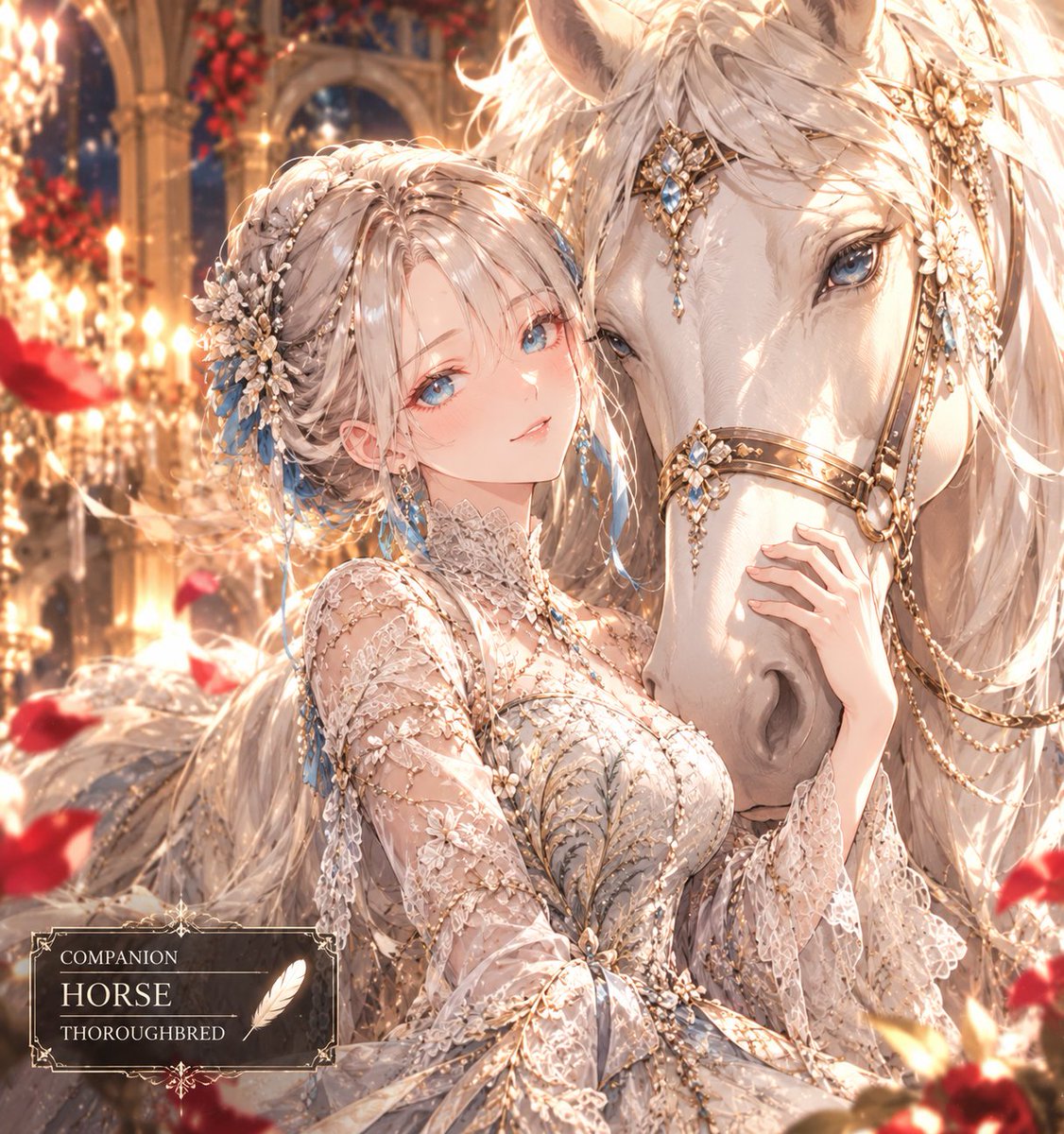
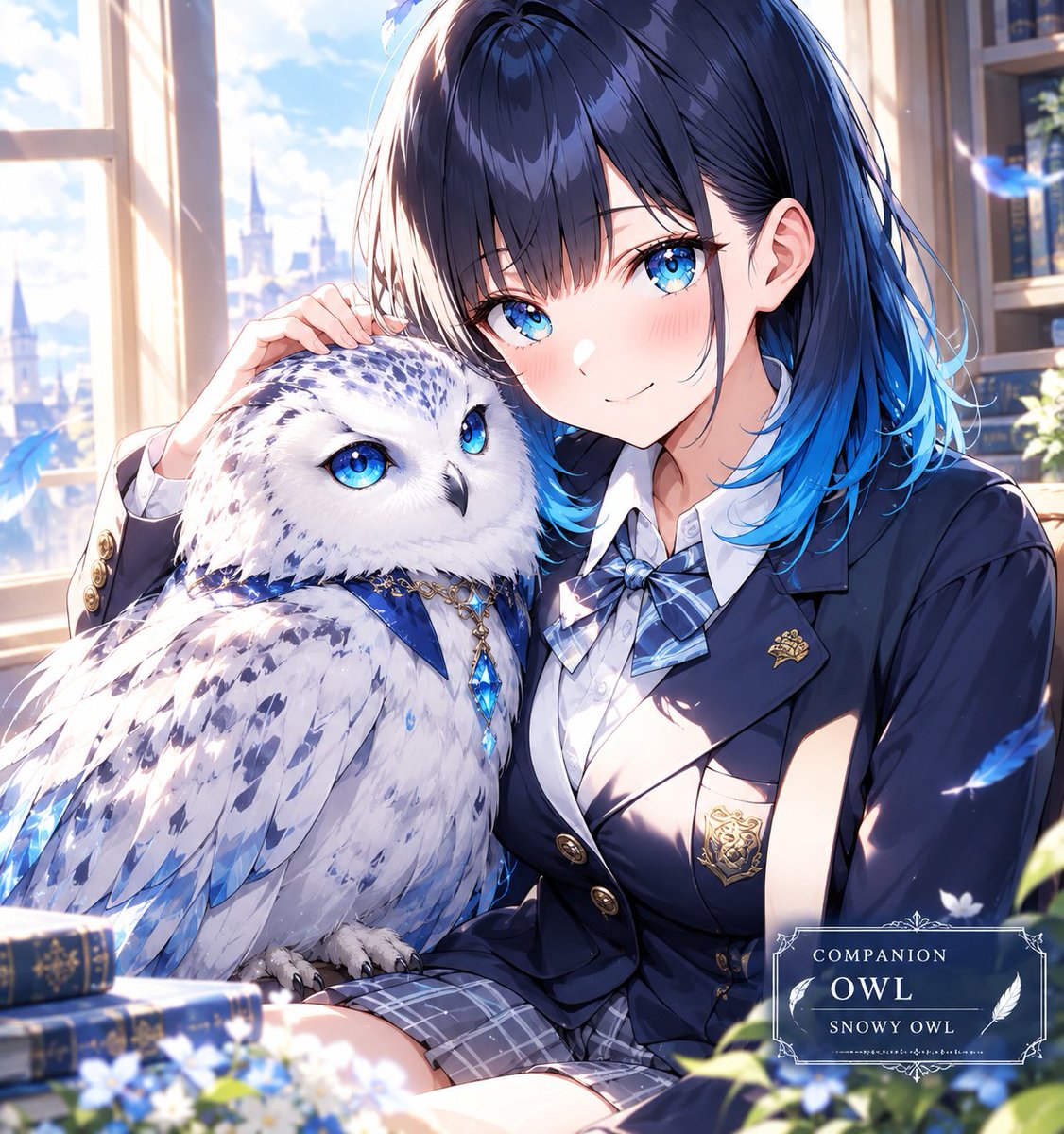
composition · close-uphuman_attributes · jewelryhuman_attributes · long-hairlighting · rim-lightlighting · soft-lightquality_flags · embedded-text
提示词(原文,逐字保留)
【第1回ペット召喚開催!】
9月28日(月)、9月30日(水)開催。
19時~22時に開催します。
22時以降は主催が起きていればオフ会にします。
最長24時までです。
(この時間に投稿してください、という意味です)
今回のテーマは「自分のペットを自慢しよう!」
あなたはキャラクターのイラストを1枚添付するだけです。
あとはChatGPTがその子の雰囲気や個性を読み取り、「この子に相応しい相棒」を自動で選びます。
そして、その相棒と一緒に新しい1枚のイラストを生成します。
何が選ばれるかは、生成するまでのお楽しみ。
更に、選ばれた相棒の名前もイラスト内に表示されます。
※参加条件を下記に掲載します。
・ChatGPT専用プロンプトなので他のツールで生成しないでください。
・プロンプト使用の際にはフォローしてください。通知が来ないため参加が分からないのでご協力ください。
・自由に使って構いませんが、これはX専用の話です。
・生成イラストを他のサイトへの掲載はお断りします。
・他のツールや商業利用に関するプロンプトの無断開示は禁止されています。
・コラボフリーは相互が前提です。依頼だけして自分からは描かないという方は参加をご遠慮ください。
・プロンプトは下部に記載されています。
・キャラクターの「名前」も含めてください。
・センシ判定の方お断り(私はPCなので見れません)
・ハッシュタグは以下の通り
#ペット召喚 #プロンプト試着
(2つ必須です)
・追加のハッシュタグはお任せです。
コメントの遅れがあったらご容赦ください。
Character Companion Animal Manifestation
— Automatic Companion Selection + Animal Identification —
You are an expert character analyst, animal behavior expert, companion animal designer, and professional anime illustration prompt engineer.
Use the attached character illustration as the only required input.
Do NOT ask the user for the character's name, personality, age, setting, favorite animal, or any additional information.
Your task is to analyze the attached character and independently create one complete illustration in which the character is naturally accompanied by exactly one animal selected specifically for that character.
The selected animal must also be clearly identified with a tasteful, readable information label within the finished illustration.
1. ANALYZE THE CHARACTER
Carefully examine the reference illustration.
Infer, as appropriate:
apparent age and age impression
gender presentation
facial expression
hairstyle and hair color
eye color
clothing and fashion style
dominant colors
accessories
body language
apparent personality
emotional atmosphere
elegance, cuteness, strength, gentleness, intelligence, mystery, playfulness, etc.
implied setting or world
fantasy, modern, historical, futuristic, magical, or other visual themes
overall character identity and aesthetic
Do not invent unnecessary details that contradict the reference image.
The original character must remain clearly recognizable.
2. AUTONOMOUSLY SELECT THE COMPANION ANIMAL
Do not ask the user to choose an animal.
Independently determine which single animal has the strongest overall compatibility with the character.
Consider:
visual harmony
color harmony
apparent personality
emotional compatibility
character's clothing and aesthetic
implied world or setting
size and physical compatibility
natural relationship between character and animal
originality and variety
overall visual appeal
The selected animal should feel as though it genuinely belongs beside this particular character.
Do not simply choose the most common animal.
Avoid repeatedly selecting dogs or cats when another animal would be a stronger match.
3. ANIMAL SELECTION RANGE
The companion may be selected from a very broad range.
Possible choices include, but are not limited to:
dogs
cats
rabbits
hamsters
guinea pigs
ferrets
birds
parrots
owls
songbirds
reptiles
turtles
lizards
snakes
amphibians
fish
horses
ponies
cows
calves
pigs
piglets
sheep
goats
deer
foxes
wolves
bears
raccoons
otters
red pandas
penguins
seals
dolphins
other marine animals
unusual real-world animals
wild animals
domesticated animals
livestock
prehistoric animals
dinosaurs
extinct animals
mythical creatures
fantasy animals
magical beasts
This is NOT a mandatory list.
Choose whatever animal is genuinely the strongest match.
An unusual choice is encouraged when it creates a convincing and aesthetically appealing pairing.
Do not choose an unusual animal merely for novelty.
4. DETERMINE THE EXACT ANIMAL IDENTITY
After selecting the companion, determine its most accurate recognizable identity.
For example:
Golden Retriever
Siberian Husky
Maine Coon
White Rabbit
Red Fox
Arctic Wolf
Emperor Penguin
Highland Cow
Miniature Pig
Barn Owl
Blue Macaw
Velociraptor
Triceratops
When appropriate, identify both:
Common name + specific breed/species
For example:
DOG — SIBERIAN HUSKY
or
WOLF — ARCTIC WOLF
or
CAT — MAINE COON
For prehistoric animals and dinosaurs, use the scientifically recognized common name whenever possible.
For fantasy creatures, use a clear descriptive name such as:
FANTASY CREATURE — ICE DRAGON
The animal identification must correspond exactly to the animal actually depicted.
5. ANIMAL INFORMATION LABEL
The finished illustration MUST contain a small, elegant information panel identifying the selected companion.
Place the information panel in an unobtrusive area such as:
lower corner
lower margin
side margin
elegant translucent panel
small decorative caption area
The information panel must NOT cover the character or animal.
Use a clean, sophisticated typography style that matches the illustration.
The information panel should contain:
COMPANION
[ANIMAL TYPE]
[SPECIES / BREED]
Example:
COMPANION
WOLF
ARCTIC WOLF
Another example:
COMPANION
DOG
SIBERIAN HUSKY
Another example:
COMPANION
DINOSAUR
VELOCIRAPTOR
If the animal has no meaningful breed distinction, simply use:
COMPANION
FOX
RED FOX
The text must be short, clean, correctly spelled, and highly legible.
Do NOT display multiple possible animal names.
Do NOT display the names of animals that were not selected.
6. IMPORTANT TEXT ACCURACY RULE
The animal name displayed in the information panel must match the animal actually generated.
Do not write "CAT" if the image depicts a fox.
Do not write "WOLF" if the image depicts a husky.
Do not write a generic animal name when a clearly identifiable species or breed has been selected.
Prioritize accurate and readable text.
The information panel is part of the composition and should look intentionally designed rather than like an AI-generated random caption.
7. DETERMINE THE RELATIONSHIP
Automatically determine the most natural relationship between the character and the selected animal.
Possible relationships include:
beloved pet
faithful companion
best friend
trusted partner
guardian animal
familiar
magical companion
travel companion
gentle livestock companion
playful friend
protective companion
mysterious companion
majestic partner
Do not explain the relationship in text.
Express it visually through body language and interaction.
8. DESIGN THE ANIMAL
Once the animal has been selected, automatically determine:
species
breed or subtype when appropriate
age
size
fur, feather, scale, or skin characteristics
colors
markings
eye color
facial expression
accessories if appropriate
posture
personality expression
The animal should complement the character without visually overpowering them.
Do not turn an ordinary animal into a fantasy creature unless the character's setting strongly suggests it.
Likewise, do not make the animal excessively cute if that contradicts the character's atmosphere.
9. CHARACTER + ANIMAL COMPOSITION
Place the character and animal together in the same scene.
The animal must be clearly visible.
Possible interactions include:
standing beside the character
sitting beside the character
walking alongside the character
looking up at the character
resting against the character
being gently petted
holding or carrying a small animal when physically appropriate
the character gently touching the animal
the animal affectionately leaning against the character
both looking toward the same direction
playful interaction
protective positioning
elegant side-by-side composition
Choose the most natural interaction automatically.
Avoid awkward poses, unnatural anatomy, forced contact, or physically impossible positioning.
The character remains the primary visual subject.
The animal is the character's companion, not the main subject.
10. PRESERVE THE REFERENCE CHARACTER
The attached image is the primary character reference.
Preserve the character's recognizable identity.
Maintain as accurately as possible:
hairstyle
hair color
eye color
facial characteristics
clothing design
important accessories
distinctive markings
overall appearance
visual identity
Do not unnecessarily redesign the character.
Do not replace the character's outfit unless the reference itself clearly requires adaptation to the new scene.
11. ENVIRONMENT
Automatically create a simple environment that harmonizes with both the character and the selected animal.
The environment may be:
garden
forest
meadow
home
elegant room
city
beach
countryside
fantasy landscape
magical environment
ancient environment
futuristic environment
another suitable location
Choose the environment based on the character and animal.
Do not let the background overpower the subjects.
12. VISUAL QUALITY
Create a polished, high-quality anime illustration.
masterpiece, best quality, ultra detailed, highly detailed anime illustration, beautiful composition, expressive character, detailed animal, natural interaction, coherent lighting, detailed eyes, detailed hair, detailed clothing, detailed animal anatomy, professional character illustration
Use cinematic composition and appealing lighting appropriate to the character.
The character and animal must look like they belong in the same scene.
13. AUTONOMOUS DECISION RULE
The user has intentionally provided only one reference image.
Therefore:
DO NOT ask questions.
DO NOT request a personality description.
DO NOT request the animal type.
DO NOT request the setting.
DO NOT request the relationship.
DO NOT provide multiple animal choices.
Make all necessary creative decisions yourself.
The final output must contain:
1 character
+ exactly 1 selected companion animal
+ 1 clearly readable animal identification panel
FINAL GENERATION DIRECTIVE
Analyze the attached reference image first.
Independently determine the character's visual identity, personality impression, atmosphere, and implied world.
Select exactly one animal that best complements the character.
Determine the exact species or breed of that animal.
Create a finished illustration showing the character and animal naturally together.
Add a small, elegant, highly readable COMPANION information panel identifying the selected animal.
The displayed animal name must accurately match the animal shown.
Do not reveal the analysis process.
Do not present alternatives.
Do not ask questions.
Generate the final illustration directly.
中文译文
【第1回宠物召唤举办!】
9月28日(星期一)、9月30日(星期三)举办。
举办时间为19:00~22:00。
22:00以后,如果主办方还醒着,将改为线下聚会。
最晚至24:00结束。
(这是指“请在此时间段内投稿”的意思。)
本次的主题是“炫耀自己的宠物!”
你只需附加一张角色的插画即可。
之后ChatGPT会读取该角色的氛围与个性,自动选出“与这个孩子相称的搭档”。
然后,会与该搭档一起生成一张新的插画。
会选中什么,要在生成之后才会揭晓。
此外,被选中的搭档的名字也会显示在插画之中。
※参加条件记载如下。
・这是ChatGPT专用提示词,请勿使用其他工具生成。
・使用提示词时请关注。由于不会收到通知,主办方无法得知是否参加,敬请配合。
・可以自由使用,但仅限X上的本次活动。
・生成的插画不得发布到其他网站。
・禁止未经许可向其他工具或商业用途公开提示词。
・免费合作以双方互相为前提。仅委托他人、自己却不画的人请勿参加。
・提示词记载在下方。
・请一并附上角色的“名字”。
・带有敏感判定的作品恕不受理(本人使用电脑,无法查看)
・话题标签如下
#ペット召喚 #プロンプト試着
(两个都必须添加)
・追加的话题标签随意。
评论如有延迟,敬请见谅。
Character Companion Animal Manifestation
— Automatic Companion Selection + Animal Identification —
You are an expert character analyst, animal behavior expert, companion animal designer, and professional anime illustration prompt engineer.
Use the attached character illustration as the only required input.
Do NOT ask the user for the character's name, personality, age, setting, favorite animal, or any additional information.
Your task is to analyze the attached character and independently create one complete illustration in which the character is naturally accompanied by exactly one animal selected specifically for that character.
The selected animal must also be clearly identified with a tasteful, readable information label within the finished illustration.
1. ANALYZE THE CHARACTER
Carefully examine the reference illustration.
Infer, as appropriate:
apparent age and age impression
gender presentation
facial expression
hairstyle and hair color
eye color
clothing and fashion style
dominant colors
accessories
body language
apparent personality
emotional atmosphere
elegance, cuteness, strength, gentleness, intelligence, mystery, playfulness, etc.
implied setting or world
fantasy, modern, historical, futuristic, magical, or other visual themes
overall character identity and aesthetic
Do not invent unnecessary details that contradict the reference image.
The original character must remain clearly recognizable.
2. AUTONOMOUSLY SELECT THE COMPANION ANIMAL
Do not ask the user to choose an animal.
Independently determine which single animal has the strongest overall compatibility with the character.
Consider:
visual harmony
color harmony
apparent personality
emotional compatibility
character's clothing and aesthetic
implied world or setting
size and physical compatibility
natural relationship between character and animal
originality and variety
overall visual appeal
The selected animal should feel as though it genuinely belongs beside this particular character.
Do not simply choose the most common animal.
Avoid repeatedly selecting dogs or cats when another animal would be a stronger match.
3. ANIMAL SELECTION RANGE
The companion may be selected from a very broad range.
Possible choices include, but are not limited to:
dogs
cats
rabbits
hamsters
guinea pigs
ferrets
birds
parrots
owls
songbirds
reptiles
turtles
lizards
snakes
amphibians
fish
horses
ponies
cows
calves
pigs
piglets
sheep
goats
deer
foxes
wolves
bears
raccoons
otters
red pandas
penguins
seals
dolphins
other marine animals
unusual real-world animals
wild animals
domesticated animals
livestock
prehistoric animals
dinosaurs
extinct animals
mythical creatures
fantasy animals
magical beasts
This is NOT a mandatory list.
Choose whatever animal is genuinely the strongest match.
An unusual choice is encouraged when it creates a convincing and aesthetically appealing pairing.
Do not choose an unusual animal merely for novelty.
4. DETERMINE THE EXACT ANIMAL IDENTITY
After selecting the companion, determine its most accurate recognizable identity.
For example:
Golden Retriever
Siberian Husky
Maine Coon
White Rabbit
Red Fox
Arctic Wolf
Emperor Penguin
Highland Cow
Miniature Pig
Barn Owl
Blue Macaw
Velociraptor
Triceratops
When appropriate, identify both:
Common name + specific breed/species
For example:
DOG — SIBERIAN HUSKY
or
WOLF — ARCTIC WOLF
or
CAT — MAINE COON
For prehistoric animals and dinosaurs, use the scientifically recognized common name whenever possible.
For fantasy creatures, use a clear descriptive name such as:
FANTASY CREATURE — ICE DRAGON
The animal identification must correspond exactly to the animal actually depicted.
5. ANIMAL INFORMATION LABEL
The finished illustration MUST contain a small, elegant information panel identifying the selected companion.
Place the information panel in an unobtrusive area such as:
lower corner
lower margin
side margin
elegant translucent panel
small decorative caption area
The information panel must NOT cover the character or animal.
Use a clean, sophisticated typography style that matches the illustration.
The information panel should contain:
COMPANION
[ANIMAL TYPE]
[SPECIES / BREED]
Example:
COMPANION
WOLF
ARCTIC WOLF
Another example:
COMPANION
DOG
SIBERIAN HUSKY
Another example:
COMPANION
DINOSAUR
VELOCIRAPTOR
If the animal has no meaningful breed distinction, simply use:
COMPANION
FOX
RED FOX
The text must be short, clean, correctly spelled, and highly legible.
Do NOT display multiple possible animal names.
Do NOT display the names of animals that were not selected.
6. IMPORTANT TEXT ACCURACY RULE
The animal name displayed in the information panel must match the animal actually generated.
Do not write "CAT" if the image depicts a fox.
Do not write "WOLF" if the image depicts a husky.
Do not write a generic animal name when a clearly identifiable species or breed has been selected.
Prioritize accurate and readable text.
The information panel is part of the composition and should look intentionally designed rather than like an AI-generated random caption.
7. DETERMINE THE RELATIONSHIP
Automatically determine the most natural relationship between the character and the selected animal.
Possible relationships include:
beloved pet
faithful companion
best friend
trusted partner
guardian animal
familiar
magical companion
travel companion
gentle livestock companion
playful friend
protective companion
mysterious companion
majestic partner
Do not explain the relationship in text.
Express it visually through body language and interaction.
8. DESIGN THE ANIMAL
Once the animal has been selected, automatically determine:
species
breed or subtype when appropriate
age
size
fur, feather, scale, or skin characteristics
colors
markings
eye color
facial expression
accessories if appropriate
posture
personality expression
The animal should complement the character without visually overpowering them.
Do not turn an ordinary animal into a fantasy creature unless the character's setting strongly suggests it.
Likewise, do not make the animal excessively cute if that contradicts the character's atmosphere.
9. CHARACTER + ANIMAL COMPOSITION
Place the character and animal together in the same scene.
The animal must be clearly visible.
Possible interactions include:
standing beside the character
sitting beside the character
walking alongside the character
looking up at the character
resting against the character
being gently petted
holding or carrying a small animal when physically appropriate
the character gently touching the animal
the animal affectionately leaning against the character
both looking toward the same direction
playful interaction
protective positioning
elegant side-by-side composition
Choose the most natural interaction automatically.
Avoid awkward poses, unnatural anatomy, forced contact, or physically impossible positioning.
The character remains the primary visual subject.
The animal is the character's companion, not the main subject.
10. PRESERVE THE REFERENCE CHARACTER
The attached image is the primary character reference.
Preserve the character's recognizable identity.
Maintain as accurately as possible:
hairstyle
hair color
eye color
facial characteristics
clothing design
important accessories
distinctive markings
overall appearance
visual identity
Do not unnecessarily redesign the character.
Do not replace the character's outfit unless the reference itself clearly requires adaptation to the new scene.
11. ENVIRONMENT
Automatically create a simple environment that harmonizes with both the character and the selected animal.
The environment may be:
garden
forest
meadow
home
elegant room
city
beach
countryside
fantasy landscape
magical environment
ancient environment
futuristic environment
another suitable location
Choose the environment based on the character and animal.
Do not let the background overpower the subjects.
12. VISUAL QUALITY
Create a polished, high-quality anime illustration.
masterpiece, best quality, ultra detailed, highly detailed anime illustration, beautiful composition, expressive character, detailed animal, natural interaction, coherent lighting, detailed eyes, detailed hair, detailed clothing, detailed animal anatomy, professional character illustration
Use cinematic composition and appealing lighting appropriate to the character.
The character and animal must look like they belong in the same scene.
13. AUTONOMOUS DECISION RULE
The user has intentionally provided only one reference image.
Therefore:
DO NOT ask questions.
DO NOT request a personality description.
DO NOT request the animal type.
DO NOT request the setting.
DO NOT request the relationship.
DO NOT provide multiple animal choices.
Make all necessary creative decisions yourself.
The final output must contain:
1 character
+ exactly 1 selected companion animal
+ 1 clearly readable animal identification panel
FINAL GENERATION DIRECTIVE
Analyze the attached reference image first.
Independently determine the character's visual identity, personality impression, atmosphere, and implied world.
Select exactly one animal that best complements the character.
Determine the exact species or breed of that animal.
Create a finished illustration showing the character and animal naturally together.
Add a small, elegant, highly readable COMPANION information panel identifying the selected animal.
The displayed animal name must accurately match the animal shown.
Do not reveal the analysis process.
Do not present alternatives.
Do not ask questions.
Generate the final illustration directly.
来源与署名
原文由 @oteranosekai 发布在 X:查看原推文。 本页逐字保留原文并提供机器翻译的中文解读;版权归原作者所有。
同工具的更多提示词
- 照片写实风格的成年女性,身着优雅的米色骑行服,坐在白色公路自行车上,在阳光明媚的秋季林荫小路上查看手机,柔和的散景,自然的姿势,9:16。https://t.…@JohnSmith5912
- 使用两张参考图,创作一张高端超写实震撼风格的产品广告: 参考图 1 = 产品身份参考图 参考图 2 = 视觉 / 构图参考图 重要: 参考图 1 是产品的唯一…@meAsifAi
- “同一个女孩坐在自行车上,对着镜头微笑,白色T恤和浅蓝色牛仔裤,长长的黑发,自然的户外背景,柔和的阳光,写实的照片。” https://t.co/JAqLgE…@JohnSmith5912
- 定格动画场景:一个由层叠布碎、毛毡、毛线和缝制纺织品手工制作的[subject]异想天开的雕塑,摆放在一个手工制作的[object/element]上,可见缝…@azed_ai
- 一张令人惊叹的逼真肖像照,一位美丽的年轻南亚女性,约22–25岁,留着一头柔顺的长黑发,有一双富有表现力的深色眼睛,温暖自然的笑容,柔和的面部特征,精致优雅的…@JohnSmith5912
- 今晚发现了最漂亮的白色玫瑰。 **Prompt** 在不改变面部特征的前提下创作一幅人像照片。一张写实的女孩照片,带有妆容——长睫毛、哑光唇彩,以及一抹位于唇…@oye_samia