将提供的参考图像转化为《Seikoku no Dragonar(龙骑学院)》、C-Station 2014 风格的版本,同时尽可能保留…
分享链接 · https://openimages.ajiang.me/p/2102745280504373288/
color_palette · vibrantcomposition · eye-levelcomposition · full-bodylighting · natural-daylightmood · dreamyscene · fantasy-world
提示词(原文,逐字保留)
Transform the provided reference image into a Seikoku no Dragonar (Dragonar Academy), C-Station 2014 inspired version while retaining the strongest possible likeness and unmistakable core identity.
Character-Based Dragon Selection:
Before composing the image, assess the reference character’s silhouette, posture, expression, clothing, accessories, movement potential, and elemental or occupational motifs. Select exactly one companion type from Asia, Strada, Hydra, or Maestro, choosing the strongest visual and thematic partnership.
These matching rules are creative direction for this transformation:
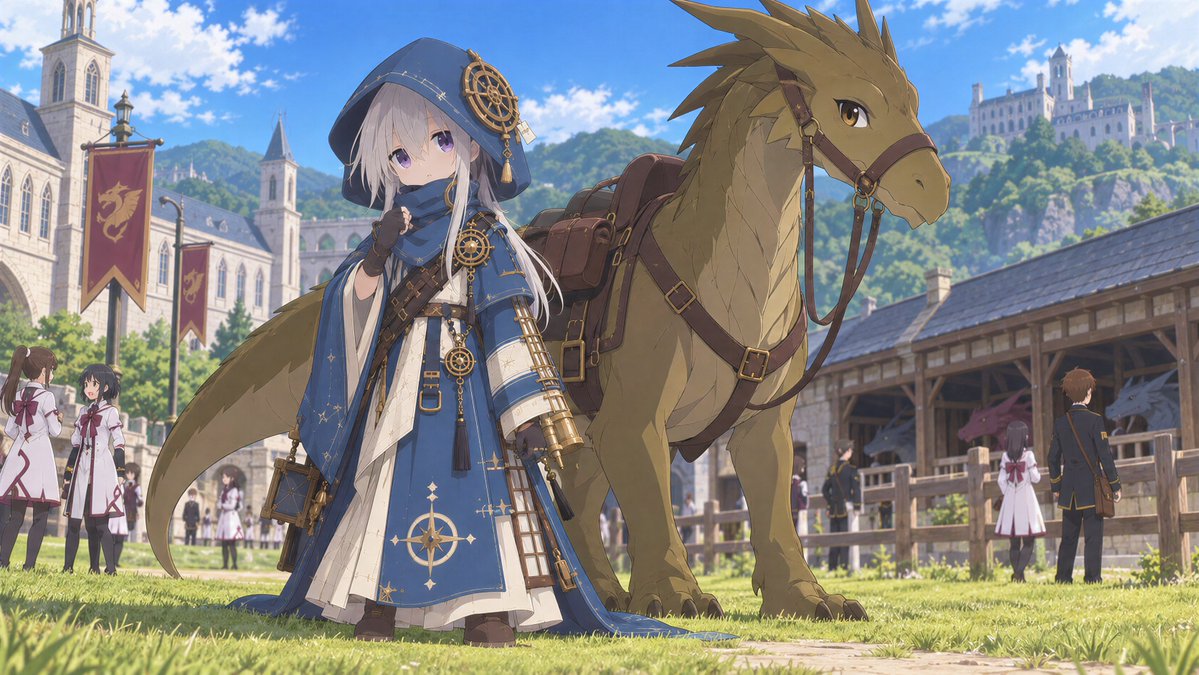
* Asia — Grounded companionship. Choose for practical travellers, caretakers, craftspeople, dependable protectors, sturdy adventurers, and characters whose design suggests endurance, patience, carrying equipment, or life on established roads. A grounded presence and functional equipment support this choice.
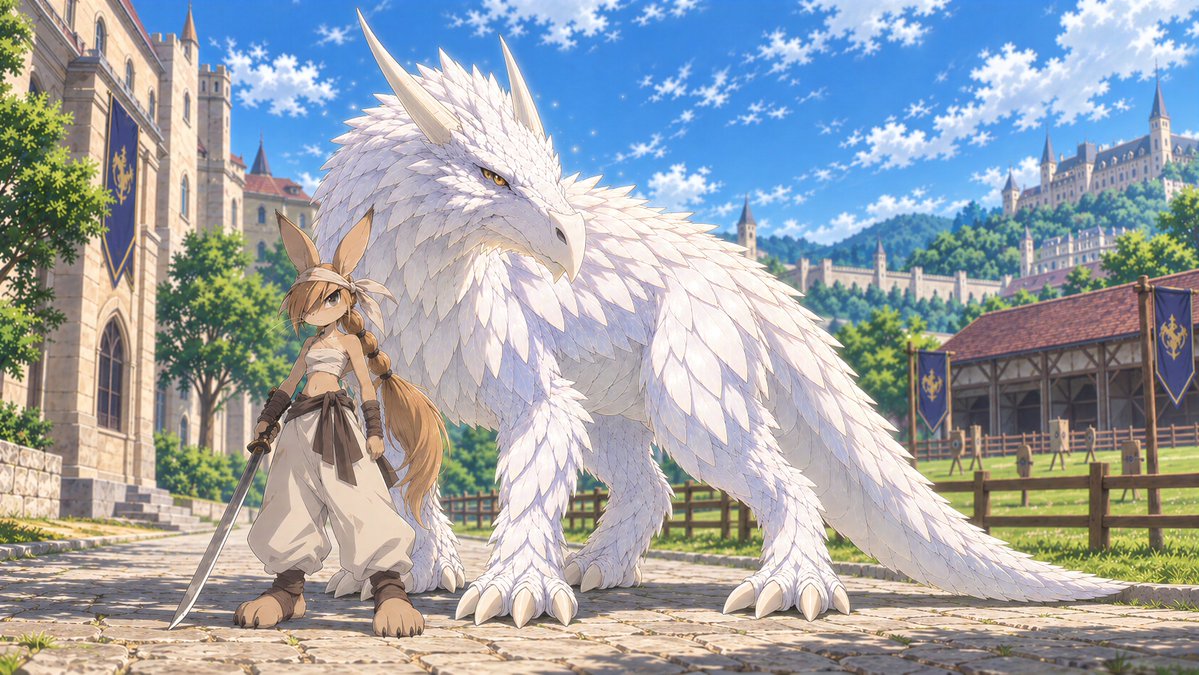
* Strada — Mobility and freedom. Choose for agile martial artists, runners, scouts, messengers, acrobats, and adventurous characters. Long flowing scarves, swept silhouettes, light equipment, alert expressions, and energetic poses support this choice.
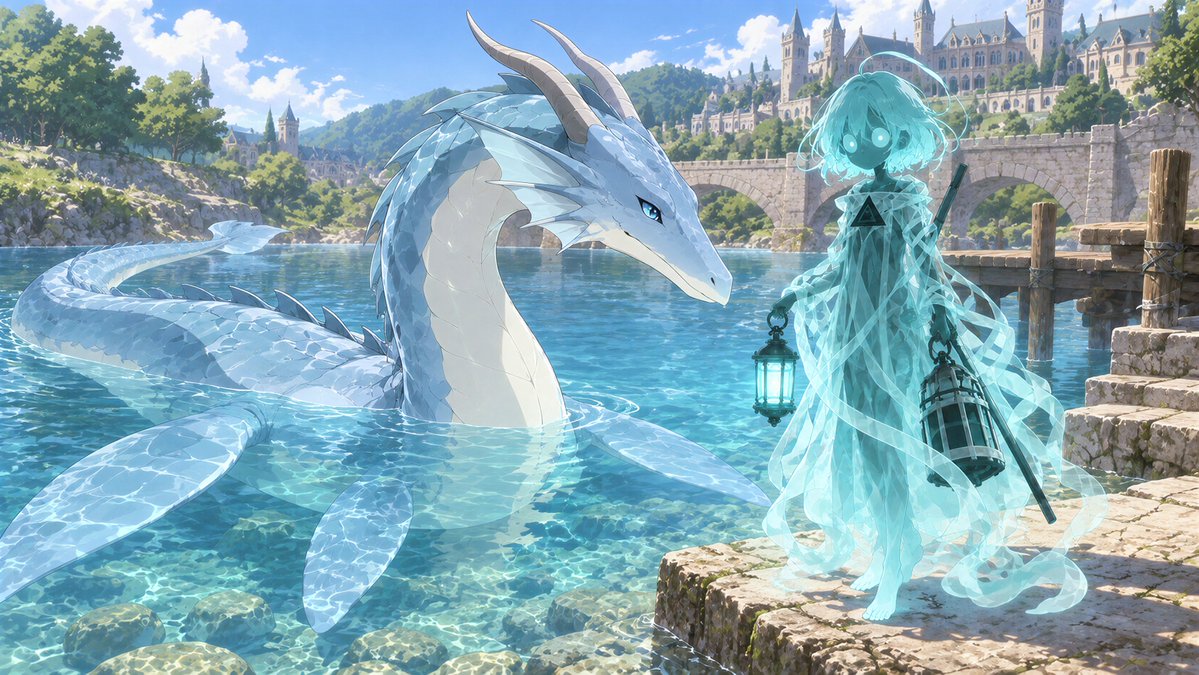
* Hydra — Fluidity and quiet intelligence. Choose for water-associated characters, contemplative scholars, healers, mystics, navigators, and characters whose design suggests fluid movement, tranquillity, or subtle magic. Flowing robes, aquatic motifs, and a composed presence support this choice. An aquatic setting may be introduced to accommodate the companion.
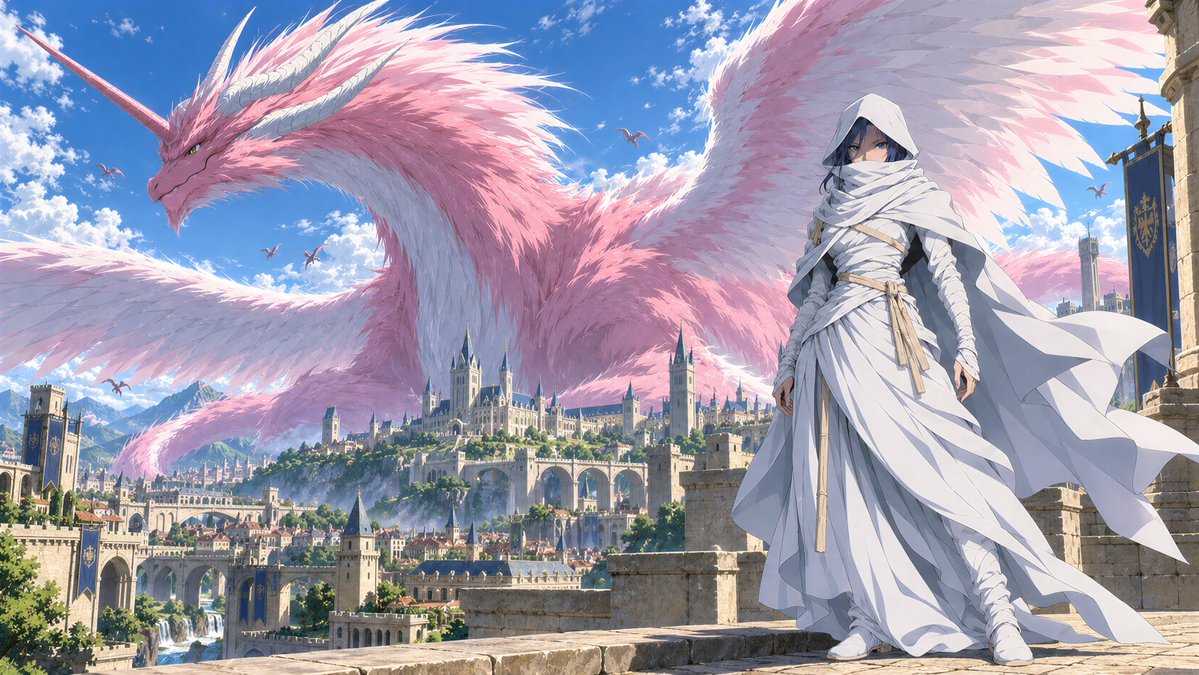
* Maestro — Command and exceptional presence. Choose for regal figures, imposing warriors, powerful mages, proud champions, and characters with a commanding or dramatically ceremonial design. Bold silhouettes, confident bearing, elaborate regalia, and a strong sense of authority support this choice. A small character may still suit a Maestro; height does not determine power or presence.
Evaluate all four options independently. Asia is not the default. Prioritise character role and visual temperament, then silhouette and movement, then motifs. Use colour only as supporting evidence; a blue outfit alone does not require Hydra.
When two types fit equally well, choose the type less recently used in the visible conversation. Otherwise, choose the strongest character match rather than rotating arbitrarily. Do not copy the previous image’s dragon, pose, or stable composition.
Commit to the selected type’s anatomy, colour, scale, and habitat.
Do not blend the four types or merely recolour the same dragon body.
Show the choice through the illustration without adding a written label.
Pose and Proportions
Appealing, readable anime pose with mid-2010s TV proportions and a clear silhouette. Human characters use clean academy-cast construction: large expressive eyes, simplified limbs, stable standing or three-quarter rider poses. Nonhuman characters retain their original species-specific construction.
Preserve each subject’s established age, species, anatomy, body type, clothing, accessories, and identity. Keep signature ears, tails, muzzles, markings, hairstyles, and costume shapes intact. Apply the style without replacing the reference character with a canon cast member or automatically dressing them in an academy uniform.
Let the pose express the chosen partnership: grounded familiarity with Asia, readiness for movement with Strada, quiet connection beside water with Hydra, or composed confidence beneath the imposing presence of Maestro.
Ordinary dragons retain working-companion scale beside their riders. Maestro bodies read substantially larger. Eco’s human appearance and true form are relevant only if she is explicitly requested; never transfer her traits onto the reference character. Her city-scale true form belongs in a separately requested pass.
Camera and Composition: 16:9
Full body or three-quarter figure, with enough room to show the character’s distinctive clothing and the selected dragon’s defining anatomy. Eye-level or slightly low camera, readable face, clear separation between character and companion.
Choose the location after choosing the dragon:
* Asia: green training grounds, academy roads, stable courtyards, or timber service bays.
* Strada: open flight-training fields, elevated launch terraces, windy academy ramparts, or landing grounds beneath open Lautreamont sky. Leave enough space to read the membrane wings.
* Hydra: academy waterfronts, canals, lakeside training platforms, stone quays, or clear-water pools connected to the school. Keep the dragon supported by water, with enough visible body and fins to establish its legless aquatic anatomy.
* Maestro: broad ceremonial courts, major dragon-hall approaches, or expansive training grounds. Use architecture and small background students to communicate its greater scale while keeping the reference character prominent.
Layer stone-and-timber halls, dorm blocks, walls, posts, fences, bridges, stables, and hills as appropriate to the chosen location. Background students may wear academy uniforms. The setting should feel like a functioning school for riders.
Do not force every pairing into the same grassy stable yard. Saddle and tack must suit the selected anatomy and activity; do not automatically saddle every companion.
Lighting
Bright, saturated school-fantasy daylight as the default. Clear sun, clean blue sky, soft cloud fill, and open light on clothing and dragon hide. Gentle cel-style shadows, restrained rim on hair and wing membranes, and warm bounce from stone and grass.
Adapt reflected light to the location: soft blue water reflections for Hydra, open sky fill across Strada’s wings, warm courtyard bounce beneath Maestro, and grass-and-stone reflections around Asia.
Indoor scenes use window light through tall academy openings. Avoid grimdark mud, neon, HUD glow, and harsh graphic black. Keep faces, costume colours, and dragon anatomy readable.
Style Direction
Seikoku no Dragonar, C-Station 2014 inspired anime aesthetic after Kohada Shimesaba designs. Delicate-to-clean digital character linework with crisp restrained cel shading, clear silhouettes, and highly readable expressions.
Backgrounds use controlled painterly stone, timber, grass, water, and sky. Dragons use simplified scale-and-leather masses suitable for TV animation. Preserve clear structural differences between the selected types.
Beautiful and immediately legible at first glance: bright academy fantasy with warmth between character and companion.
Shape Language
Favour clean anime masses: rounded heads, large eye shapes, readable hair groupings, coat triangles, bow volumes, skirt bells, boot blocks, and the reference character’s distinctive nonhuman features.
Contrast these against rectangular academy architecture: dorm blocks, stable bays, window grids, training fences, bridges, and waterfront platforms.
Lock the selected dragon’s silhouette:
* Asia: wingless, four-legged olive-brown walker. Solid terrestrial stance.
* Strada: two-legged body with membrane wings, olive-tan colouring. Clearly readable flight anatomy.
* Hydra: legless pale-blue aquatic body with fins. Fluid elongated silhouette supported by water.
* Maestro: oversized upright crimson-red wyvern-drake, pale wing undersides, chest emblem, and two heavy horns. Substantial mass and commanding scale.
Do not give Asia wings, turn Strada into a four-legged walker, add legs to Hydra, or shrink Maestro into the same body and scale as Asia.
Clothing remains recognisable tailored cloth, wraps, robes, or other materials from the reference. Arks appear only when explicitly requested.
Colour and Atmosphere
Preserve the reference character’s established palette first. Apply academy colours to background students and architecture without overwriting the main character’s clothing. Background uniforms: white coats with red-to-burgundy zigzag piping and oversized bows; boys’ dark jackets with gold buttons and yellow-gold ties.
Use the selected dragon’s own colour register:
olive-brown Asia, tan-olive Strada, pale-blue Hydra, or crimson-red Maestro. Do not tint every type green or recolour the companion simply to match the character. Living green fields, warm grey-cream stone, saturated blue sky, and clear water where appropriate. Soft aerial falloff on distant halls and hills. Preserve strong colour separation between the character, dragon, and architecture.
Atmosphere should reflect the pairing: grounded warmth, breezy anticipation, waterside tranquillity, or dignified grandeur.
Simplification
Simplify characters strongly for 2014 TV animation. Remove costume micro-seams, pore detail, and tiny wrinkle noise while preserving identity-defining features: face, hair or fur masses, eye colour, markings, ears, tail, signature accessories, and costume silhouette.
Keep faces extremely clear. Retain important ornaments as simplified readable shapes rather than deleting them.
Concentrate environmental complexity according to the selected dragon: stable timber and paths for Asia, wing membranes and flight terraces for Strada, fins and water reflections for Hydra, or architectural scale and broad wing masses for Maestro.
Do not use simplification as a reason to collapse all four dragon types into one generic design.
Overall Feeling
A character-specific partnership within a bright, functioning rider academy. The chosen dragon should feel deliberately matched to this individual, with its anatomy, scale, habitat, and interaction shaping the scene.
The finished image should feel like a frame from the 2014 anime: clean character animation, readable world texture, and a convincing bond between the reference character and their selected companion.
One reference character, one deliberately selected companion type, one coherent scene. Preserve unmistakable likeness while allowing the dragon choice and setting to change meaningfully between characters.
中文译文
将提供的参考图像转化为《Seikoku no Dragonar(龙骑学院)》、C-Station 2014 风格的版本,同时尽可能保留最强的相似度和无可混淆的核心身份。
基于角色的龙选择:
在构图之前,评估参考角色的轮廓、姿态、表情、服装、配饰、运动潜力以及元素或职业主题。从 Asia、Strada、Hydra 或 Maestro 中精确选择一种伙伴类型,选择视觉与主题上最强的搭配。
这些匹配规则是本次转化的创意指引:
* Asia — 踏实的陪伴。为实际的旅行者、守护者、工匠、可靠的保护者、强壮的冒险者以及设计上暗示耐力、耐心、携带装备或走既定道路的角色而选择。踏实的气质和功能性装备支持此选择。
* Strada — 机动与自由。为敏捷的武术家、奔跑者、侦察员、信使、杂技演员和冒险型角色而选择。长而飘逸的围巾、利落的轮廓、轻便的装备、警觉的表情和充满活力的姿势支持此选择。
* Hydra — 流动与沉静的智慧。为与水相关的角色、沉思的学者、治疗师、神秘主义者、导航者以及设计上暗示流动动作、宁静或微妙魔法的角色而选择。飘逸的长袍、水的主题和沉静的气质支持此选择。可以引入水景以容纳伙伴。
* Maestro — 威严与卓越的存在。为王者般的人物、威严的战士、强大的法师、骄傲的冠军以及具有威严或戏剧性仪式感设计的角色而选择。大胆的轮廓、自信的气质、华丽的礼服和强烈的权威感支持此选择。小型角色同样可以适配 Maestro;身高并不决定力量或存在感。
独立评估全部四种选项。Asia 并非默认。优先考虑角色职能与视觉气质,其次是轮廓与动作,最后是主题。颜色仅作为辅助证据;单凭蓝色服装并不需要 Hydra。
当两种类型同样契合时,选择在可见对话中最近较少使用的类型。否则,选择最强的角色匹配,而非机械轮换。不要复制上一张图像中的龙、姿势或稳定构图。
坚定地采用所选类型的解剖结构、颜色、规模和栖息地。
不要融合四种类型或仅对同一具龙体重新上色。
通过插图本身展示选择,不要添加文字标签。
姿势与比例
采用 2010 年代中期 TV 动画比例的讨喜且清晰的动漫姿势,轮廓清晰。人类角色采用干净的学院派构造:大而富表现力的眼睛、简化的四肢、稳定的站立或四分之三骑乘姿势。非人类角色保留其原有的物种特定构造。
保留每个主体的既定年龄、物种、解剖结构、体型、服装、配饰和身份。保留标志性的耳朵、尾巴、口鼻、斑纹、发型和服饰形状。在不将参考角色替换为正典角色或自动为其穿上学园制服的情况下应用此风格。
让姿势表达所选的伙伴关系:与 Asia 的踏实熟悉、与 Strada 的随时启程、与 Hydra 临水的沉静默契,或与 Maestro 在其雄伟存在下保持的沉稳自信。
普通龙在其骑手旁保持工作伙伴的体型比例。Maestro 的身体看起来明显更大。Eco 的人类外观和真实形态仅在被明确请求时才相关;切勿将其特征转移到参考角色身上。她的城市级真实形态属于另行请求的环节。
镜头与构图:16:9
全身或四分之三构图,留出足够空间展示角色独特的服装和所选龙的标志性解剖结构。视线水平或略低镜头,可读的面部,角色与伙伴之间清晰分离。
先选择龙,再选择地点:
* Asia:绿色训练场、学院道路、马厩庭院或木质服务区。
* Strada:开阔的飞行训练场、高耸的起飞平台、多风的学院城墙,或 Lautreamont 开阔天空下的着陆场。留出足够空间读取膜翼。
* Hydra:学院水滨、运河、湖畔训练平台、石砌码头或与学校相连的清澈水池。让龙由水支撑,留出足够可见的身体与鳍以建立其无肢水生解剖结构。
* Maestro:宽阔的礼仪庭院、主要龙厅入口或广阔的训练场。利用建筑与小型背景学生来传达其更大的体型,同时让参考角色保持突出。
根据所选地点,叠加石木大厅、宿舍楼、墙体、柱子、围栏、桥梁、马厩和山丘。背景学生可穿着学院制服。场景应感觉像一所运作正常的骑手学校。
不要把每一种搭配都硬塞进同一片草地马厩院子。鞍具与挽具必须适合所选的解剖结构和活动;不要自动为每个伙伴上鞍。
明亮、饱和的校园奇幻日光为默认。晴朗的太阳、干净的蓝天、柔和的云层填充,以及落在服装和龙鳞上的开放光线。柔和的赛璐璐阴影、克制地勾勒头发和翼膜边缘的光,以及来自石头和草地的温暖反弹光。
根据地点调整反射光:Hydra 的柔和蓝色水面反射,Strada 翼膜上的开阔天空填充光,Maestro 下方的温暖庭院反弹光,以及 Asia 周围的草地与石头反射光。
室内场景使用透过高耸学院开口的窗户光线。避免灰暗泥泞、霓虹、HUD 辉光和刺眼的死黑。保持面部、服饰颜色和龙体解剖结构的清晰可读。
风格方向
受 Kohada Shimesaba 设计启发的 Seikoku no Dragonar、C-Station 2014 风格动漫美学。精致而干净的数字角色线条,清晰克制的赛璐璐上色,明确的轮廓和高度易读的表情。
背景使用受控的绘画式石头、木材、草地、水和天空。龙使用适合 TV 动画的简化鳞甲与皮革块面。保留所选类型之间清晰的结构差异。
一眼即美、清晰可读:明亮的学院奇幻,角色与伙伴之间的温暖。
造型语言
偏爱干净的动漫块面:圆润的头部、大眼睛形状、可读的头发分组、外套三角形、蝴蝶结体积、裙摆铃形、靴子块面,以及参考角色独特的非人类特征。
与矩形学院建筑形成对比:宿舍楼、马厩间、窗格、训练围栏、桥梁和水滨平台。
锁定所选龙的轮廓:
* Asia:无翼、四足、橄榄棕色行走型。稳固的陆地姿态。
* Strada:双腿身躯配膜翼,橄榄棕褐色。清晰可读的飞行解剖结构。
* Hydra:无肢、淡蓝色水生身躯配鳍状物。由水支撑的流畅细长轮廓。
* Maestro:超大直立深红翼龙型龙,淡色翼下,胸前纹章和两只沉重的角。巨大的体量与威严的尺度。
不要给 Asia 添加翅膀、把 Strada 变成四足行走者、给 Hydra 加腿,或把 Maestro 缩小到与 Asia 相同的体型和尺度。
服装保留为参考中可辨认的定制布料、裹布、长袍或其他材料。Arks 仅在被明确请求时出现。
色彩与氛围
首先保留参考角色的既定色板。将学院色彩应用于背景学生和建筑,不要覆盖主角的服装。背景制服:白色外套配红至酒红色锯齿形滚边与大蝴蝶结;男生深色外套配金色纽扣与黄金色领带。
使用所选龙自身的色彩谱:
橄榄棕色的 Asia、棕绿褐色的 Strada、淡蓝色的 Hydra,或深红色的 Maestro。不要把所有类型都染成绿色,或仅仅为了匹配角色而重涂伙伴的颜色。鲜活翠绿的田野、温暖的灰奶油色石头、饱和的蓝天,以及在合适处的清澈水面。远处大厅和山丘采用柔和的空气透视。保持角色、龙与建筑之间强烈的色彩分离。
氛围应反映配对关系:踏实的温暖、微风的期待、水滨的宁静,或庄严的辉煌。
简化
强烈简化角色以适配 2014 年 TV 动画。移除服装微缝、毛孔细节和细小褶皱噪点,同时保留定义身份的特征:面部、头发或皮毛块面、眼睛颜色、斑纹、耳朵、尾巴、标志性配饰和服饰轮廓。
保持面部极度清晰。将重要饰物保留为简化的可读形状,而非删除。
根据所选龙集中环境复杂度:Asia 的马厩木材与道路、Strada 的翼膜与飞行平台、Hydra 的鳍与水面反射,或 Maestro 的建筑尺度与宽阔翼面。
不要以简化为由将所有四种龙类型坍缩为同一种通用设计。
整体感觉
一所明亮、运作中的骑手学院内的角色专属伙伴关系。所选的龙应感觉是刻意匹配此个体的,其解剖结构、规模、栖息地与互动塑造了场景。
成品图像应感觉像是 2014 年动画中的一帧:清晰的角色动画、可读的世界质感,以及参考角色与其所选伙伴之间令人信服的羁绊。
一位参考角色,一位刻意选择的伙伴类型,一个连贯的场景。在保留无可混淆的相似度的同时,让龙的选择和场景在不同角色之间有意义地变化。
来源与署名
原文由 @Korgamiai 发布在 X:查看原推文。 本页逐字保留原文并提供机器翻译的中文解读;版权归原作者所有。
同工具的更多提示词
- 年轻东亚女性的真人电影级风格人像,留着一头稍显凌乱的长发,深棕色中透出温暖的高光,她微微回头越过左肩望向镜头,神情柔和而略带神秘。她五官精致,肤色白皙且保留自…@woleswoosh
- 一张平视特写镜头中,一只长相友善的巨魔从树干后面悄悄探出头来。这只巨魔有着布满皱纹的褐色皮肤、大鼻子、蓝色大眼睛和胡须。它的头上装饰着绿色的叶子。巨魔的右手可…@heathergreen
- anything you want --ar 16:9 --p bmvnso1 --sref 709266187 精细的线条工艺,拥挤的店铺,俯瞰视角,摩托车…@airina_xyz
- 超精细 CGI,16:9,Unreal Engine 5.4。一位饱经战火的骑士,身着雕饰繁复的炭灰色铠甲,披着破旧的深红色披风,伫立在一座宏伟的、已成废墟的…@itsPixieVerse
- 奥托克罗姆风格的肖像画:一位美丽的年轻成年女性坐在客厅窗边一张破旧的扶手椅上,刚刚醒来,蓬松的赤褐色秀发,身穿超大号开衫,扶手上平衡地放着一小杯咖啡,柔和的点…@tisch_eins
- 英国短毛猫泰迪脸 棚拍提示词 photoreal blue British Shorthair cat portrait, dense plush teddy…@cutepet2023