我测试了两个不同的图像模型处理宽松创意指令的方式,通过完全相同、最简化的提示词分别跑了一遍 GPT Image 2.0 High 和…
分享链接 · https://openimages.ajiang.me/p/2097604682646528030/
composition · close-upcomposition · multi-panellighting · natural-daylightquality_flags · multi-panel-layoutsubject_type · groupsubject_type · portrait
提示词(原文,逐字保留)
I tested how two different image models handle loose creative direction by running the exact same, bare-bones prompt through GPT Image 2.0 High and GPT Image 2.5 Sunburst Max:
“Create a 3x3 grid of very realistic UGC models for social media ad. Be creative, they should be different from each other.”
No reference imagery, no individual shot instructions, and zero guardrails on demographics, lighting, or setting. The difference in how each model interpreted "different" was telling.
The Problem With Superficial Variety
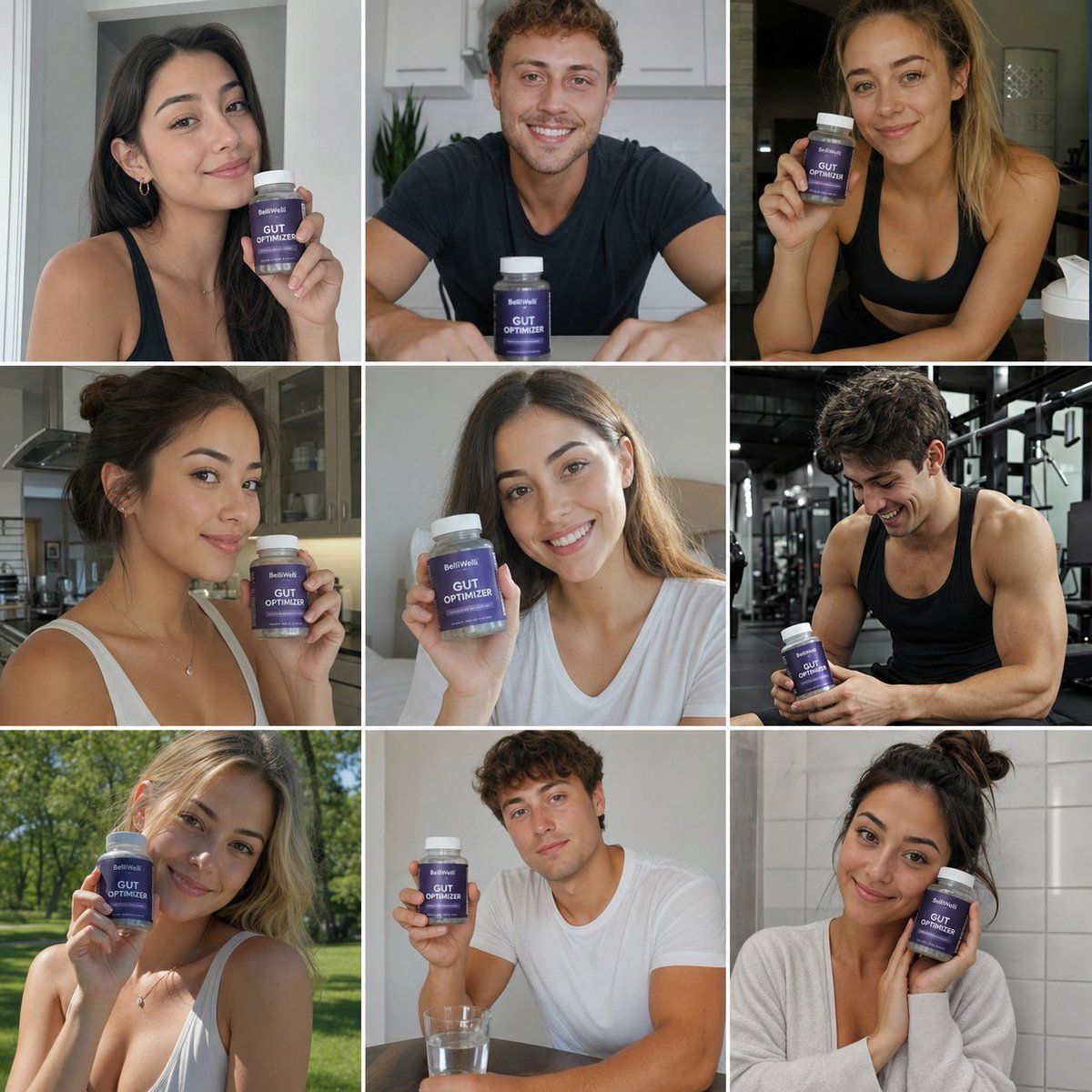
GPT Image 2.0 High gave me a technically sound, remarkably cohesive grid. The lighting was balanced, the subjects looked clean, and the composition was stable.
The issue? It delivered nine variations of one single ad.
Almost every frame featured a model facing forward, smiling, and presenting a product like a standard testimonial. The model interpreted diversity purely as facial features and skin tones, completely missing the variety of scenarios that make user-generated content effective.
Why Context Trumps Polish
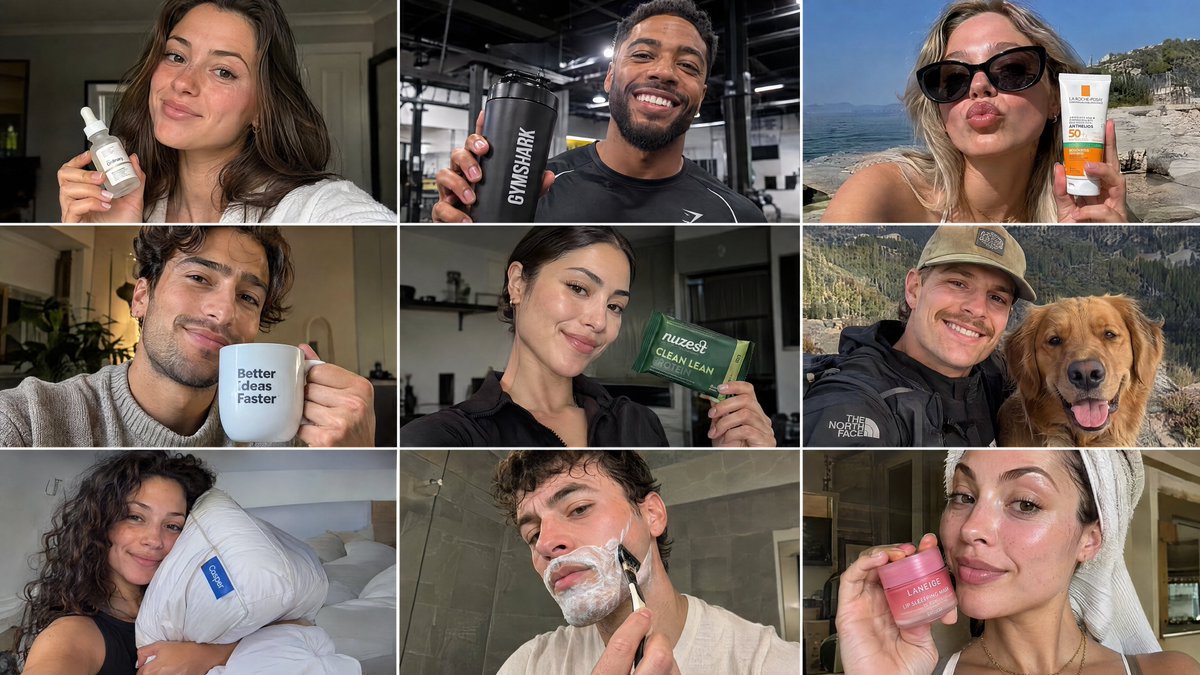
Sunburst Max took the brief much further. Instead of just swapping faces, it diversified the entire context:
Environments spanned gyms, bedrooms, bathrooms, and outdoor settings.
Perspectives shifted naturally between selfie angles, candid mid-shots, and lifestyle framing.
The use cases covered skincare routines, fitness, casual daily habits, and aspirational moments.
In performance marketing, a batch of nine identical product poses gives you virtually zero testing leverage. A selfie framed in a mirror tests a completely different psychological hook than an over-the-shoulder shot outdoors. Technical quality and photorealism are table stakes now; the real utility lies in whether an engine can unpack a vague creative brief into actionable testing angles.
Takeaway
If you need a unified look for a single campaign concept, 2.0 High holds stylistic consistency well. But if you need an asset library to test hooks and find winning angles, Sunburst Max understands the commercial intent of a brief much better.
For a paid social campaign, which grid are you putting ad spend behind?
中文译文
我测试了两个不同的图像模型处理宽松创意指令的方式,通过完全相同、最简化的提示词分别跑了一遍 GPT Image 2.0 High 和 GPT Image 2.5 Sunburst Max:
“Create a 3x3 grid of very realistic UGC models for social media ad. Be creative, they should be different from each other.”
没有参考图像,没有单张镜头的指令,也没有任何关于人物特征、灯光或场景的限制。两个模型对“different”的诠释差异很有启发性。
表面多样性的问题
GPT Image 2.0 High 给我的是一个技术上扎实、异常协调的九宫格。灯光平衡,主体干净,构图稳定。
问题在哪?它给出了同一条广告的九个变体。
几乎每一格都是模特正面朝向镜头、面带微笑、以标准证言式的方式展示产品。该模型仅把多样性理解为面部特征和肤色的不同,完全忽略了让 UGC(用户生成内容)真正有效的场景多样性。
为什么语境胜过精修
Sunburst Max 则把这个需求推进得更深。它不只是换脸,而是把整个上下文都多样化:
场景横跨健身房、卧室、浴室和户外环境。
视角在自拍角度、抓拍中景和生活方式构图之间自然切换。
用例覆盖了护肤流程、健身、日常习惯和抱负时刻。
在效果营销中,一批九张一模一样产品姿势的图片几乎给不了你任何测试杠杆。镜中自拍测试的是一种完全不同的心理钩子,而户外过肩镜头测试的则是另一种。如今技术质量和真实感已是基本门槛;真正的价值在于引擎能否将一份模糊的创意简报拆解为可执行的测试角度。
结论
如果你需要的是单一广告概念的统一视觉风格,2.0 High 在风格一致性上表现良好。但如果你需要的是用于测试钩子、找到胜出角度的素材库,Sunburst Max 对简报商业意图的理解要好得多。
对于一个付费社交广告活动,你会把预算压在哪一套九宫格上?
来源与署名
原文由 @saranshvfx 发布在 X:查看原推文。 本页逐字保留原文并提供机器翻译的中文解读;版权归原作者所有。
同工具的更多提示词
- 一个人站在两面成90度相接的全身镜的角落里,胸前高度握着一颗抛光的铬球。照片级写实风格。 要求: - 看起来无限延伸但物理上合理的递归反射。 - 铬球必须反射…@old_pgmrs_will
- 为 [LOCATION] 创作一幅高品质的当代编辑艺术海报。 格式:竖版 3:4 | 高分辨率 | 美术印刷品质 | 现代艺术书籍美学 为 [LOCATION…@Goodmanprotocol
- 请从一款虚构的次世代3D开放世界恋爱角色扮演游戏中截取一张逼真的游戏画面截图,以男性主角的第一人称视角呈现。在海滩上,《恶魔猎人》中的莫莉卡·安斯兰德邀请主角…@underwoodxie96
- 参考图片人物,生成3*3共9种不同表情包,可以出现中文和英文,浅色渐变背景 https://t.co/eVZRaxIOa8@DeepBlueX0
- 一张照片般逼真的抓拍旅行肖像:一位年轻的东亚女性站在一片宁静的沙滩岸边,旁边是覆盖着苔藓的巨大岩石,身后一座壮观的古老石砌修道院和中世纪城堡式建筑戏剧性地矗立…@saniaspeaks_
- #AIArt #AIgirl 提示词 ➡️ https://t.co/pfafZV9Bzt. GPT Image 2.5 太疯狂了! ---- 提示语· pr…@listudio