将主体转化为一个由 4–6 个小幅插画分镜讲述的视觉故事。保持原始物体的可识别性,但将其重新诠释为一个迷人的手绘序列,展示其食材、制作…
分享链接 · https://openimages.ajiang.me/p/2096823849702785331/
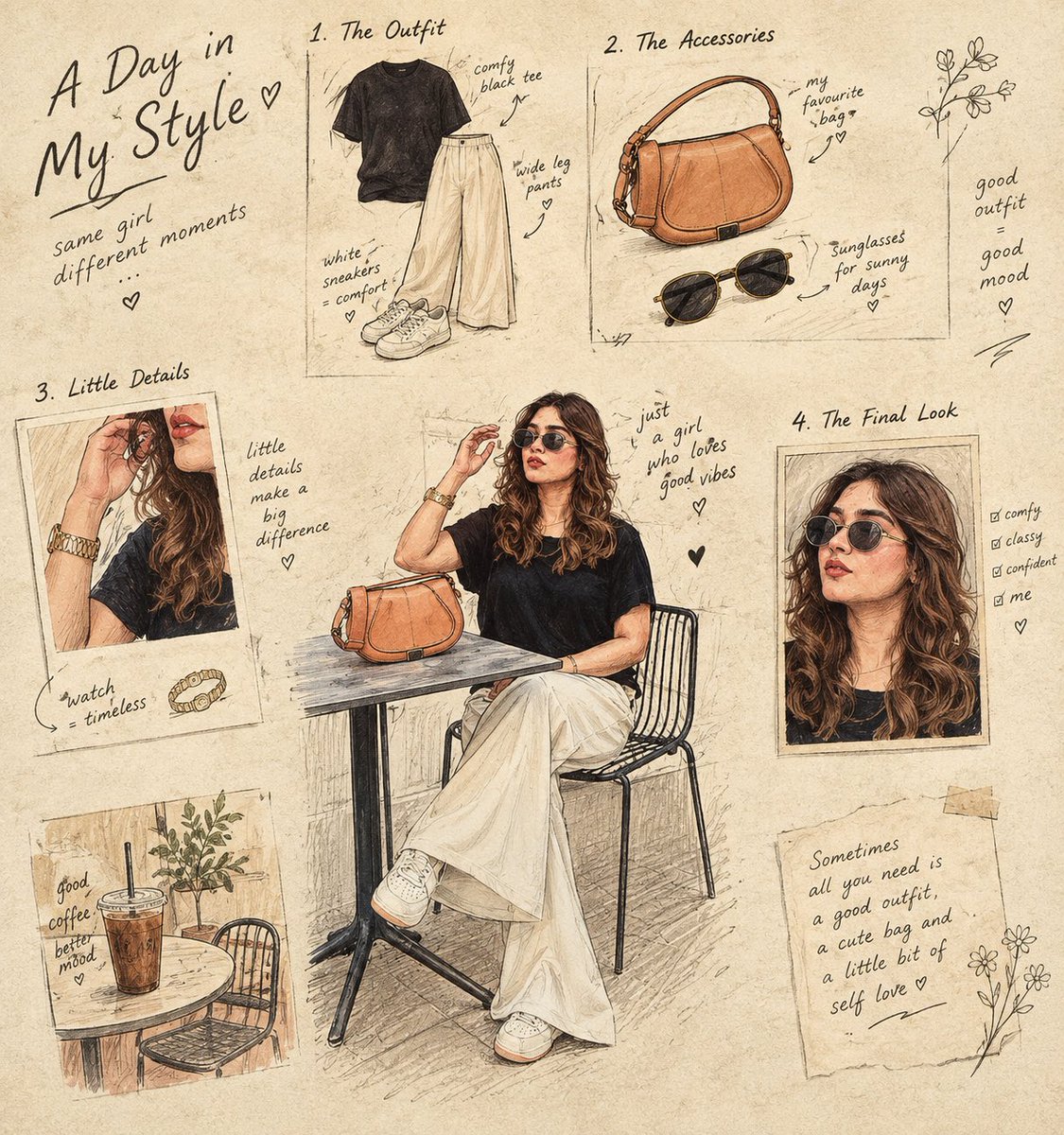
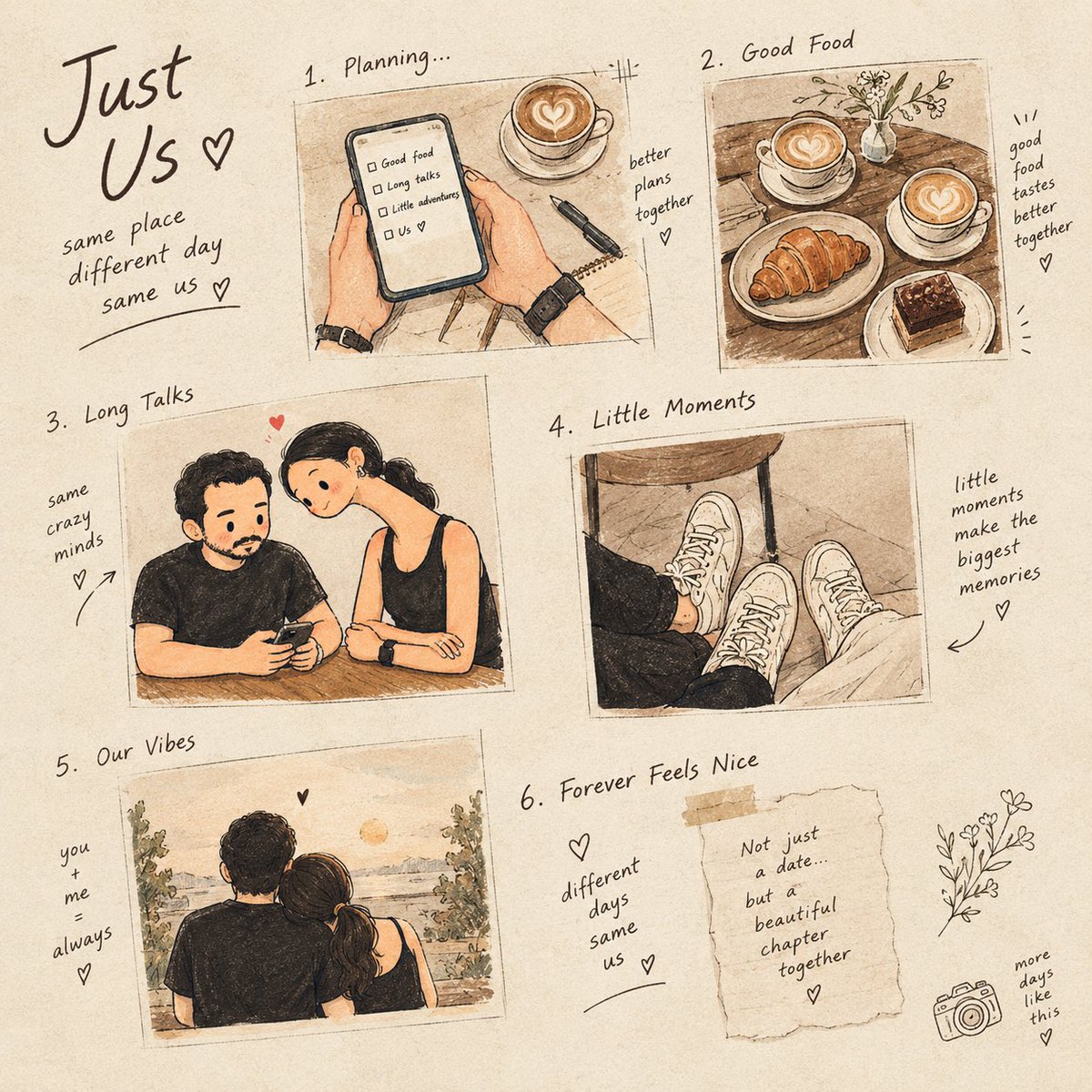
color_palette · mutedcolor_palette · warm-tonescomposition · multi-panelcomposition · overhead-flatlaymood · cozymood · nostalgic
提示词(原文,逐字保留)
Turn the main subject into a visual story told through 4–6 small illustrated frames. Keep the original object recognizable, but reinterpret it as a charming hand-drawn sequence showing its ingredients, preparation, texture, and final form.
Use a warm cream paper background, delicate ink outlines, subtle handwritten annotations, tiny arrows, ingredient sketches, measurement marks, and imperfect print textures.
The composition should feel like a page from an old culinary sketchbook — artistic, intelligent, nostalgic, and highly curated.
Do not simply reproduce the photograph. Transform its subject into an illustrated visual narrative.
中文译文
将主体转化为一个由 4–6 个小幅插画分镜讲述的视觉故事。保持原始物体的可识别性,但将其重新诠释为一个迷人的手绘序列,展示其食材、制作过程、质地与最终形态。
使用温暖的奶油色纸张背景、细腻的墨线轮廓、含蓄的手写注释、小巧的箭头、食材速写、度量标记,以及不完美的印刷质感。
整体构图应如同一页来自古老烹饪手稿——富有艺术感、充满巧思、令人怀旧,且经过精心编排。
不要简单地复刻照片,而要将主体转化为插画式的视觉叙事。
来源与署名
原文由 @Naiknelofar788 发布在 X:查看原推文。 本页逐字保留原文并提供机器翻译的中文解读;版权归原作者所有。
同工具的更多提示词
- 为 [CITY / LOCATION](城市 / 地点)创作一张高端、精致、编辑风格十足的旅行海报。仅依据所写的地名与描述,独立生成整幅设计。 采用严格的 3…@Goodmanprotocol
- 电影感十足、抓拍风格的夜间人像:一位令人惊艳的年轻东亚女性,长长的凌乱黑发被风吹拂掠过面庞。她回头凝望,神情强烈而迷人。身穿系带白色翻领衬衫和格纹短裙。背景是…@AiwithElisia
- 由 GPT image 2 生成的图像 提示词 👇 一位英俊成年男士的写实电影感肖像,他有一头蓬松的中长棕色头发和修剪整齐的胡须,身穿柔软的米色针织圆领毛衣…@iamsofiaijaz
- 这是一张为阿根廷国家足球队制作的数字宣传照片。图片中突出展示了两名男性足球运动员。位于顶部中央的较大球员从胸部以上描绘,身穿带有阿根廷国家队徽章和7号球衣号码…@realumrr
- 创建一张图片,展示一位年轻女性夜晚在一座砖石建筑前户外摆姿势。她身穿一件时尚的长款白色传统服装,特色是层叠的透明荷叶边,下摆和袖口处带有鲜艳的蓝色装饰。她的服…@ZorviaLux
- 根据上传的参考图像,创作一张高质量、超写实的生活风格抓拍人像肖像,描绘同一位成年女性。以参考图像作为她身份的唯一真实来源。保留她的面部结构、比例、自然特征、肤…@mehvishs25