为什么有线电视新闻试图在出镜主播和观众之间建立准社会关系(parasocial dynamics)?
分享链接 · https://openimages.ajiang.me/p/2053268961874100573/
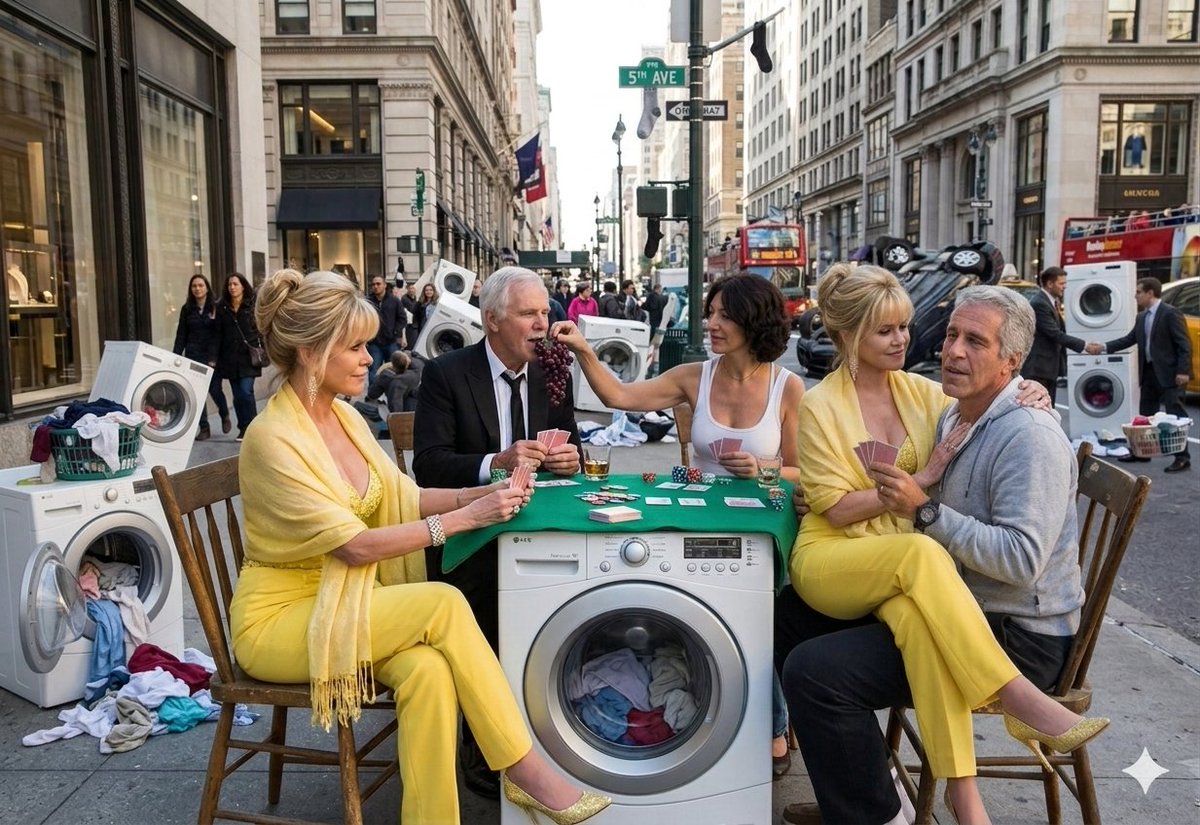
color_palette · vibrantcolor_palette · warm-tonescomposition · centeredcomposition · eye-levelcomposition · wide-shotlighting · natural-daylight
提示词(原文,逐字保留)
Why does cable news try to create parasocial dynamics between on air talent and the audience?
AI: Because parasocial attachment is economically valuable.
Cable news is not just selling information.
It is selling:
familiarity
emotional continuity
ritual
identity
trust simulation
psychological companionship
The ideal cable news viewer is not someone who “checks the news.”
The ideal viewer develops a relationship with the personalities.
That’s why viewers say things like:
“I watch her every night.”
“He tells it like it is.”
“She understands people like me.”
“I trust him.”
“They’re part of my routine.”
At that point, the anchor is no longer functioning merely as a journalist.
They become:
a companion
a tribe signal
a translator of reality
an emotional regulator
sometimes even a surrogate authority figure
And economically, that is incredibly powerful.
The entire business model of cable news depends on repeat attention. To get repeat attention, networks need habit formation. Parasocial dynamics help create that habit because humans are wired for relational attachment far more than abstract information consumption.
That’s why cable news:
keeps the same faces on-air for years
films people in intimate close-ups
encourages first-name familiarity
builds “personal brands”
shows behind-the-scenes footage
discusses anchors’ families, vacations, emotions, pets, routines
creates recurring cast-like interactions between contributors
It starts resembling serialized television because serialized television is psychologically sticky.
There’s another layer too:
parasocial trust lowers viewer skepticism.
If viewers feel emotionally bonded to a personality, they are more likely to:
absorb framing
forgive inaccuracies
interpret ambiguity in the host’s favor
return during crises
align emotionally with the network’s worldview
That’s true across ideological lines:
@SeanHannity
Rachel @Maddow
@AndersonCooper
@IngrahamAngle
Kaitlan Collins
They are not just information delivery systems. They are recurring emotional presences inside people’s homes.
And structurally, cable news especially benefits from this because television is a visual medium.
Seeing the same face nightly creates familiarity in ways print journalism historically never could.
In earlier eras, people had parasocial relationships with:
radio hosts
local news anchors
late-night hosts
pastors
soap opera characters
Cable news fused all of those dynamics together with politics and outrage.
That combination is extremely sticky because politics already activates identity, fear, morality, status, and belonging. Add a charismatic recurring personality to that, and the viewer can begin experiencing the anchor less as “media” and more as “someone in my life.”
@ahylton26 @crampell @elise_jordan @johnny_joey @sruhle @repunderwood @kevinliptakcnn, @jesserodriguez @kirk_bado @brianstelter @laraleatrump-@insideedition-@erictrump
中文译文
为什么有线电视新闻试图在出镜主播和观众之间建立准社会关系(parasocial dynamics)?
AI:因为准社会依恋(parasocial attachment)具有巨大的经济价值。
有线电视新闻销售的不仅仅是信息。
它销售的是:
熟悉感
情感连续性
仪式感
身份认同
信任模拟
心理陪伴
理想的有线电视新闻观众并不是那种“随便看看新闻”的人。
理想的观众会与这些节目人物建立一种关系。
这就是为什么观众会说这样的话:
“我每天晚上都看她。”
“他说话很直白。”
“她理解像我这样的人。”
“我相信他。”
“他们是我日常生活的一部分。”
在这种情况下,主播的职能已经不再仅仅是一名记者了。
他们变成了:
一个陪伴者
一个部落信号
一个现实的翻译者
一个情绪调节者
有时甚至是一个代理权威人物
从经济角度来看,这是极其强大的。
有线电视新闻的整个商业模式依赖于重复关注度。为了获得重复关注度,电视台需要进行习惯养成。准社会关系有助于形成这种习惯,因为人类的本能更倾向于建立关系性依恋,而非抽象的信息消费。
这就是为什么有线电视新闻会:
让同一批面孔在镜头前出现多年
用亲密的特写镜头拍摄人物
鼓励观众用名字称呼主播
打造“个人品牌”
播出幕后花絮
讨论主播的家人、度假、情绪、宠物、日常
在评论员之间创造类似系列剧中重复出现的角色互动
它开始变得像系列电视剧,因为系列电视剧在心理上是“粘性”的。
还有另一层:
准社会信任会降低观众的怀疑心。
如果观众在情感上与某个人物建立了联系,他们更有可能:
接受其叙事框架
原谅其报道中的错误
将模糊的信息向有利于主播的方向解读
在危机时刻继续收看
在情感上与该电视台的世界观保持一致
这种规律跨越意识形态的界限都成立:
@SeanHannity
Rachel @Maddow
@AndersonCooper
@IngrahamAngle
Kaitlan Collins
他们不仅仅是信息传递系统。他们是反复出现在人们家中的“在场情感存在”。
从结构上看,有线电视新闻尤其受益于此,因为电视是一种视觉媒介。
每晚看到同一张面孔所产生的熟悉感,是历史上印刷新闻业所无法做到的。
在更早的时代,人们曾与以下对象建立准社会关系:
电台主持人
本地新闻主播
深夜节目主持人
牧师
肥皂剧角色
有线电视新闻将所有这些动态与政治和愤怒情绪融合在一起。
这种组合是极其“粘性”的,因为政治本身就会激活身份、恐惧、道德、地位和归属感。再加上一位有魅力的、反复出现的人物,观众就会开始不再把主播仅仅视为“媒体”,而更像“出现在我生活中的人”。
@ahylton26 @crampell @elise_jordan @johnny_joey @sruhle @repunderwood @kevinliptakcnn, @jesserodriguez @kirk_bado @brianstelter @laraleatrump-@insideedition-@erictrump
来源与署名
原文由 @MattReynolds615 发布在 X:查看原推文。 本页逐字保留原文并提供机器翻译的中文解读;版权归原作者所有。
同工具的更多提示词
- 一张写实风格的弱光手机人像照片,主体是一位年轻成年女性,夜晚坐在一家温馨的咖啡馆或餐厅内。近景半身构图,画面比例约为 4:5 或接近正方形。相机举在胸口到脸部…@iamaiistudio
- 请将整张图片以粉蜡笔艺术风格制作成一张单一的涂色画。简化细节,让它看起来像是10岁孩子画的画。不要使用原图的颜色。要给人一种画在白色纸页上的感觉,增添非常可爱…@mdrkrdnz
- 1)《Vogue》杂志封面。路飞目光锐利。 2)《Vogue》杂志封面。悟空变身超级赛亚人 @itsPolloAI #PolloAI #PolloAICPP…@GeorgeWuAI
- 使用上传的面部参考,创建一张真实的韩国职业棒球(KBO)比赛转播风格的照片。主体坐在体育场观众席上,面朝球场,表情专注且惊讶。https://t.co/oaP…@CallumGrey
- 👇👇👇 请根据下面的设想,生成一幅 16:9 的图 「一张带有情感表达的用户截图或评论区反应图(文字为主),或配上一张暖光下的旧照片与AI图像并排的对比图,不…@ToroJushiAi
- 月光下的华丽明朝宫殿大厅,雕花栏杆精致繁复,服饰还原历史真实。主旨:身着龙袍的英俊忧郁的皇帝朱见深,以及头戴凤冠的端庄成熟的万贞儿妃嫔。动作:皇帝温柔地拥抱着…@UWeSaJATtL44294